
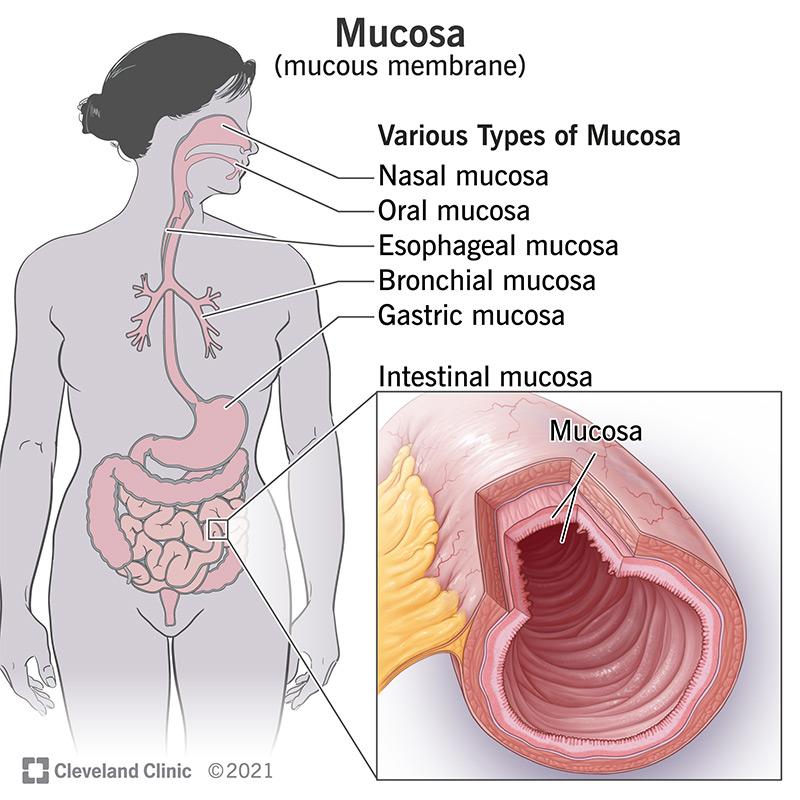
Barrier Integrity: Why Your Mucus Barriers Matter
🌿 Barrier Integrity: Why Your Mucus Barriers Matter
Most people think digestion is just about breaking down food.
It’s about much more than that.
Your digestive system is where your organism brings in the biggest variety of substances from the outside world.
Because of this, our immune system needs to be on high alert in our digestion. In fact, 70-80% of our immune system resides in our digestive system.
Digestion is a balance between:
Powerful forces (acid and enzymes that break food down)
Protective systems (your immune system, gut lining, and mucus barriers that keep you safe)
When these are all working together, digestion is smooth, efficient, and resilient.
When protection is lacking, even normal digestion can start to feel like a problem.
🔬 Your Stomach Is Designed to Be Highly Acidic
Your stomach is meant to be highly acidic—and that’s essential for proper digestion and gut health.
Stomach acid helps:
Break down protein into amino acids
Absorb nutrients like iron, zinc, calcium, magnesium, and B vitamins
Activate digestive enzymes
Destroy harmful bacteria, viruses, parasites, and fungi
Your stomach is your body’s first line of defense against pathogens.
Without enough acid, digestion weakens and microbial balance shifts.

🧱 The Mucosal Barrier: Your Built-In Protection System
The gut lining is protected by a mucus layer called the mucosal barrier.
This barrier:
Shields tissue from stomach acid
Supports healing and regeneration
Maintains gut integrity
Regulates immune responses
When this barrier is strong, digestion feels smooth.
When it’s compromised, the system becomes sensitive and inefficient.

⚖️ It’s Not Too Much Acid—It’s Too Little Protection
A common misconception in digestive health is that symptoms come from excess acid.
In reality, the issue is often:
👉 a weakened gut lining that can’t handle normal acid levels
Lowering acid may reduce symptoms temporarily, but it weakens:
Digestion
Nutrient absorption
Microbial balance
🚫 Why Suppressing Stomach Acid Backfires
Many people use antacids or PPIs for relief.
But these approaches shut down a critical function.
It’s like cutting the brakes because they squeak.
The noise stops—but the system is compromised.
Low stomach acid can lead to:
Poor protein digestion
Nutrient deficiencies
Constipation and slow motility
Increased infection risk
Gut dysbiosis
🧬 Low Stomach Acid and Gut Dysbiosis
Research shows that long-term acid suppression can contribute to:
Gut microbiome imbalance
Bacterial overgrowth in the small intestine (SIBO)
Increased intestinal inflammation
It is widely recognized that:
Low stomach acid allows harmful bacteria to multiply downstream.
🧪 Mucus: The Missing Piece in Gut Health
Mucus is one of the most overlooked components of digestive health.
In the gut, mucus:
Protects tissue from acid and enzymes
Supports beneficial bacteria
Helps repair the gut lining
Maintains digestive resilience
Without adequate mucus, digestion becomes harsh and inefficient.
⚠️ Gut and Stomach Mucus vs. Throat Phlegm (Important Distinction)

Not all mucus is the same.
✅ Healthy mucus:
Located in the gut lining
Thin and functional
Supports digestion
⚠️ Throat Phlegm (throat/sinuses):
Thick and noticeable
Often linked to infection or immune response
A sign the body is clearing something
The goal is not less mucus.
The goal is healthy mucus in the right place.
🌿 Natural Ingredients That Support the Gut Lining
🌱 Licorice Root (Deglycyrrhizinated)
Supports mucus production
Promotes mucosal repair
Helps balance gut bacteria
🌳 Slippery Elm Bark
Forms a protective coating
Soothes irritation
Stimulates natural mucus production
🌸 Marshmallow Root
Provides a mucilage barrier
Supports gut comfort
Helps protect the lining from irritation
🌿 A Simple Way to Support Digestive Integrity
These ingredients are combined in Glow🌿Soothe—a chewable formula designed to support the gut lining.
Unlike antacid chewables, Glow🌿Soothe doesn’t suppress digestion.
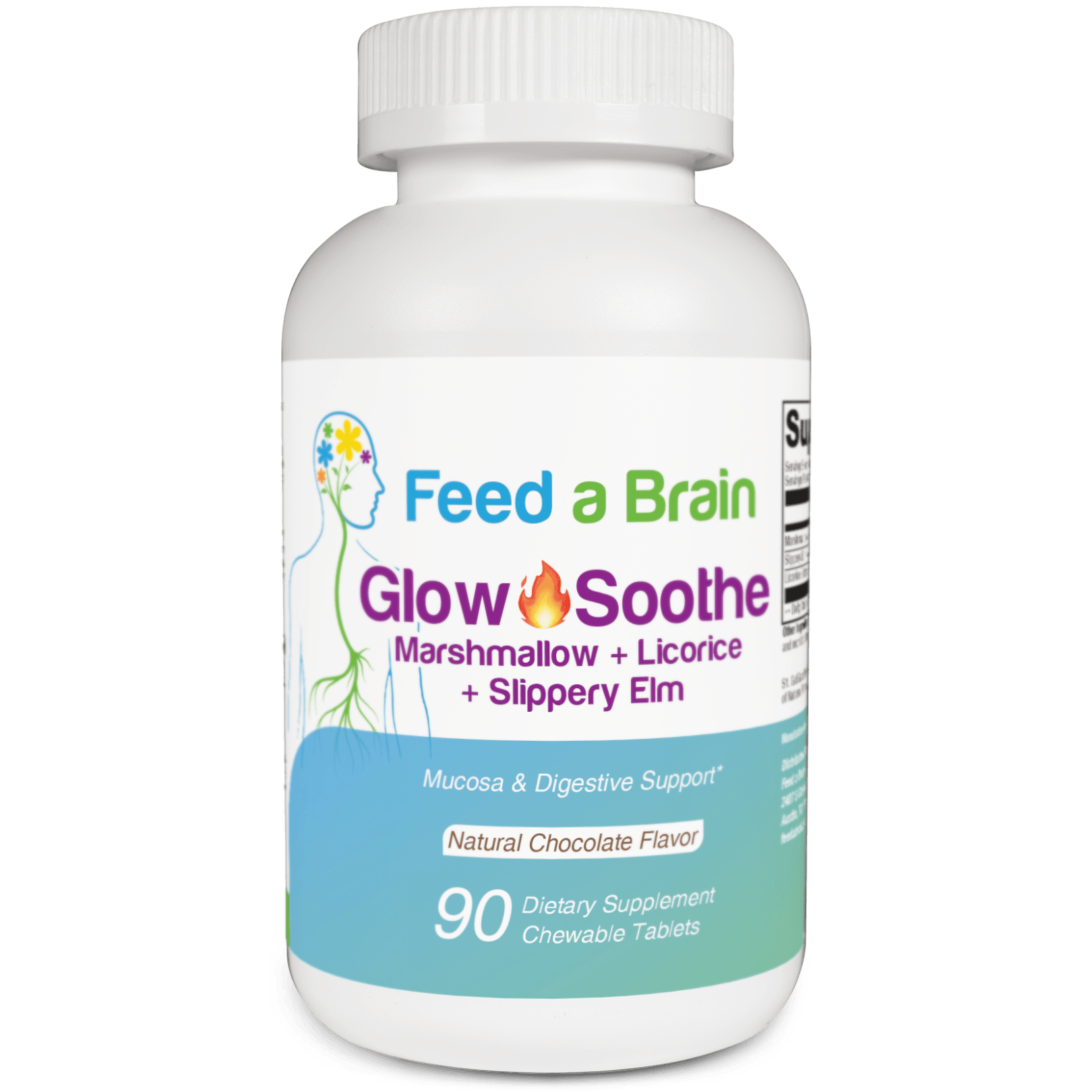
Instead, it:
Supports the
mucosal barrier
Helps maintain healthy mucus
Encourages a resilient digestive environment
🧭 Supporting the Entire Digestive System
Optimal digestion requires:
Strong stomach acid: I recommend this.
Strong mucosal protection: I recommend this.
Efficient enzyme activity: I recommend this.
Strong fat digestion: I recommend this.
(Get all of the above in these easy meal packs)
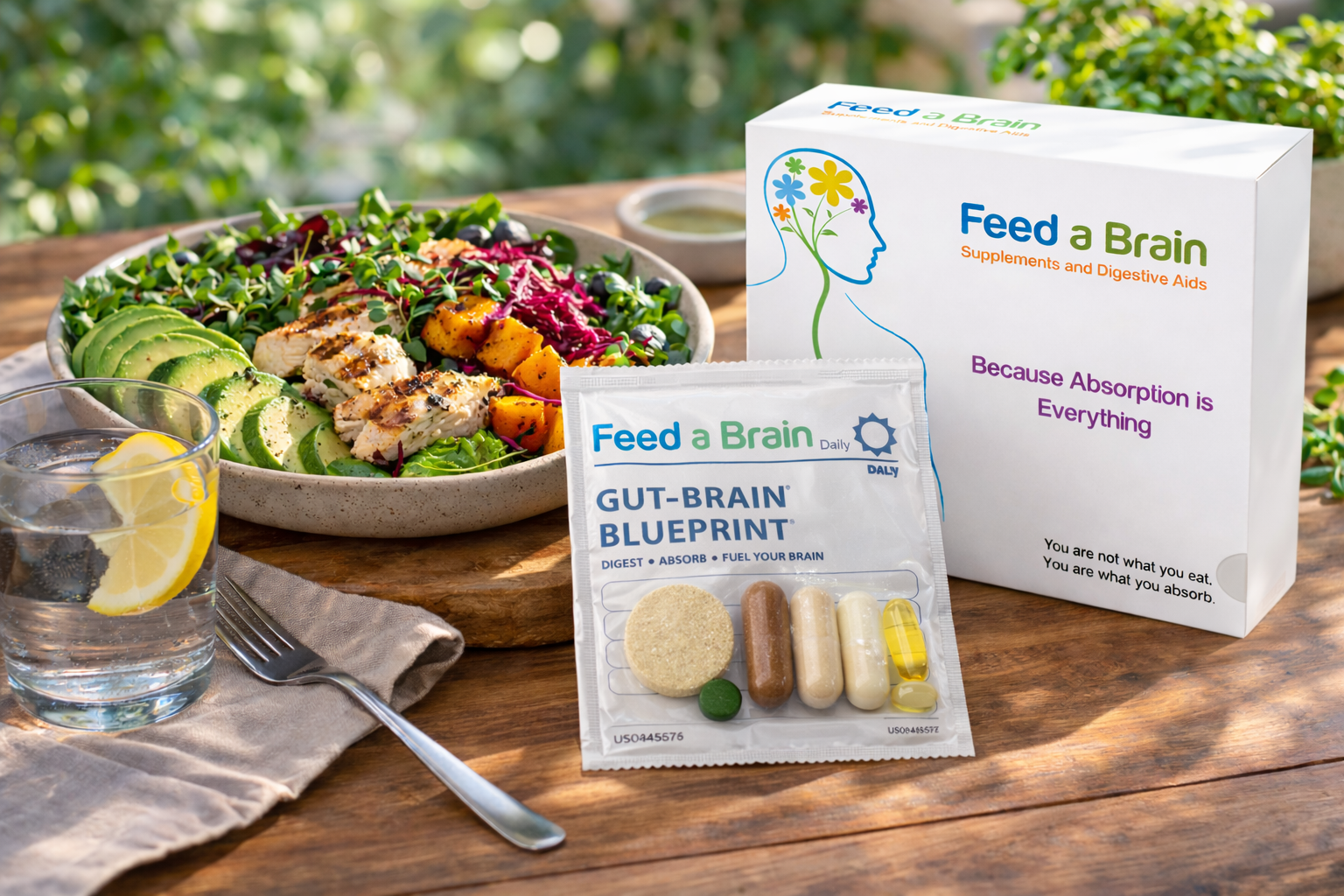
Additional digestive support:
Balanced microbiome. I recommend this.
When these systems work together, digestion becomes efficient and sustainable.
🧠 Gut Health and the Gut-Brain Axis
Your gut lining directly impacts:
Brain clarity
Mood and emotional regulation
Immune function
Energy production
Supporting digestive integrity supports whole-body health.
💬 Final Thought
Digestive health is not about suppressing symptoms.
It’s about restoring function.
Support the barrier.
Support the system.
Let your body do what it was designed to do.
❓ Frequently Asked Questions:
Q: What is Glow🌿Soothe used for?
A: Glow🌿Soothe is designed to help soothe and rebuild your digestive lining—especially if you're experiencing heartburn, gut irritation, or signs of mucosal damage. It supports the stomach and intestines without reducing stomach acid, which is crucial for proper digestion and protection.
Q: How is Glow🌿Soothe different from antacids?
A: Unlike antacids, which raise your stomach pH and weaken digestion, Glow🌿Soothe nourishes the mucosal lining so your body can handle acid naturally.
It’s not about suppressing acid—it’s about restoring your gut’s ability to handle it.
Think: “Cutting the brakes because the squeaking is annoying” vs. fixing the system.
Q: When should I take Glow🌿Soothe?
A: Take one chewable tablet before meals—especially if:
You have a history of gut lining sensitivity
You’re beginning Protein🔥Ignite
You experience burning or discomfort with protein or supplements
Follow the rebuild protocol if burning occurs: 1 tablet → wait 5 mins → 2nd if needed → 3rd if still burning → pause Protein🔥Ignite and continue Glow🌿Soothe before meals for a week.
Q: Can I take Glow🌿Soothe long-term?
A: Yes. Glow🌿Soothe is safe and well-tolerated for short-term repair and long-term maintenance. Its ingredients—GutGard® licorice, slippery elm, and marshmallow—have deep roots in herbal healing and are gentle on the system.
Q: What does it taste like?
A: Glow🌿Soothe is a lightly sweet, chewable tablet flavored with monk fruit and natural extracts. It’s designed to be palatable and easy to use before meals.
Q: Is it okay to take Glow🌿Soothe with other supplements or medications?
A: Generally, yes. Glow🌿Soothe is a non-reactive herbal formula and pairs well with Protein🔥Ignite, Blaze🔥Digest, and other Feed-a-Brain supplements. However, if you’re taking medications or managing a serious condition, consider spacing it out and tuning in to how your body responds.
Q: What if I don’t have symptoms—should I still take it?
A: If you know your gut lining has been stressed (from stress, illness, medications, etc.), you can use Glow🌿Soothe proactively. Think of it like soil enrichment before planting—support the terrain before problems show up.