
Vitamin D for Respiratory Infection

August 12, 2025

Protocol:

  • 60,000 IU of cholecalciferol (oral nano-liquid droplets) for 7 days
  • 4,000 IU of cholecalciferol (oral nano-liquid droplets) per day following

Research:

Short term, high-dose vitamin D supplementation for COVID-19 disease: a randomised, placebo-controlled, study (SHADE study)

Intervention:

Participants were randomised to receive daily 60 000 IU of cholecalciferol (oral nano-liquid droplets) for 7 days with therapeutic target 25(OH)D>50 ng/ml (intervention group) or placebo (control group).

Results:

…10 (62.5%) participants in the intervention group and 5 (20.8%) participants in the control arm (p<0.018) became SARS-CoV-2 RNA negative. Fibrinogen levels significantly decreased with cholecalciferol supplementation (intergroup difference 0.70 ng/ml; P=0.007) unlike other inflammatory biomarkers.

Vitamin D supplementation to prevent acute respiratory tract infections: systematic review and meta-analysis of individual participant data

Conclusions and policy implications

Our study reports a major new indication for vitamin D supplementation: the prevention of acute respiratory tract infection. We also show that people who are very deficient in vitamin D and those receiving daily or weekly supplementation without additional bolus doses experienced particular benefit.

Human serum 25-hydroxycholecalciferol response to extended oral dosing with cholecalciferol 

Conclusions:

Healthy men seem to use 3000–5000 IU cholecalciferol/d, apparently meeting > 80% of their winter cholecalciferol need with cutaneously synthesized accumulations from solar sources during the preceding summer months. Current recommended vitamin D inputs are inadequate to maintain serum 25-hydroxycholecalciferol concentration in the absence of substantial cutaneous production of vitamin D.

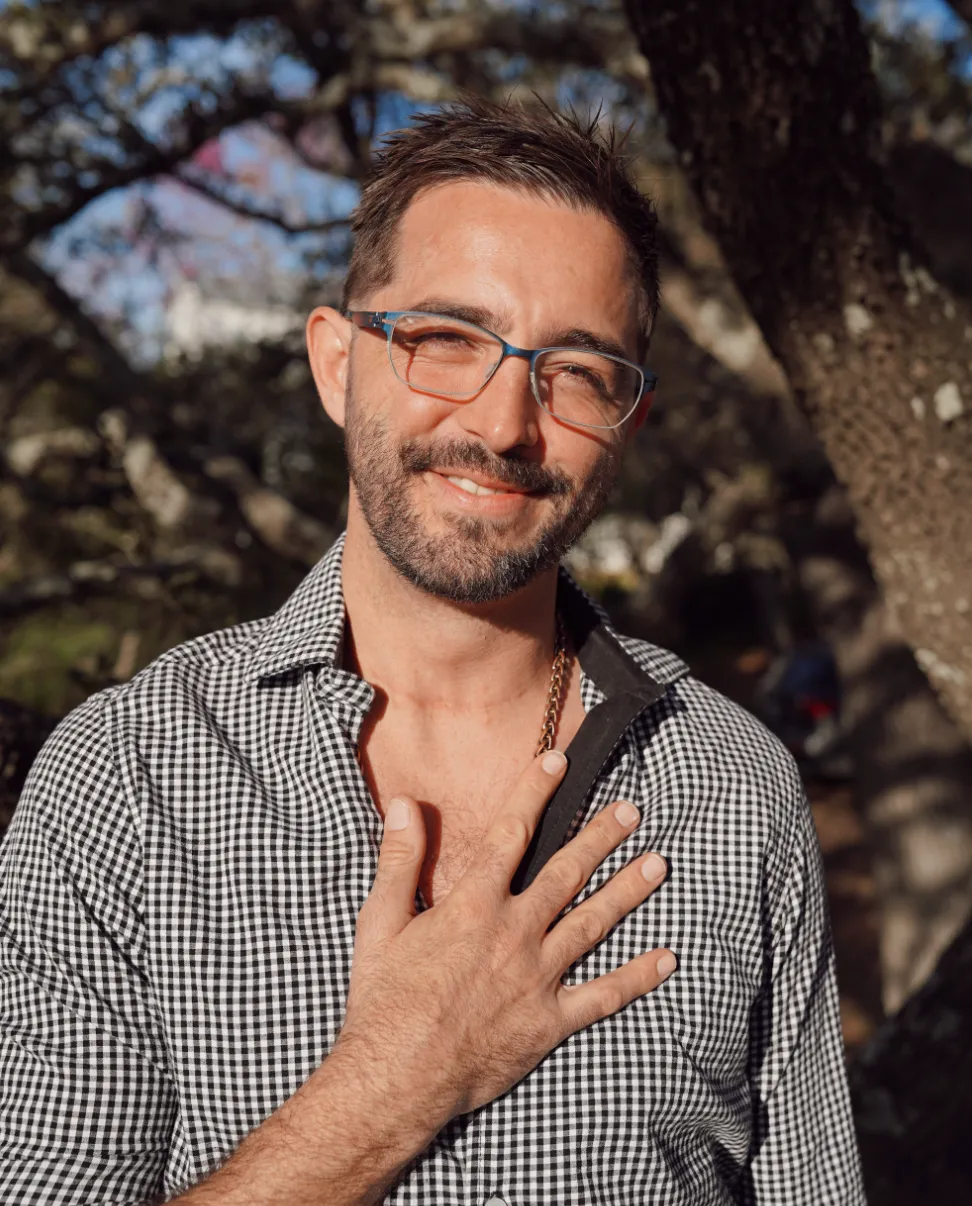
Cavin Balaster is a neuroscience-based functional nutritionist specializing in the gut-brain axis. He is a Certified Functional Nutrition Counselor and the author of How to Feed a Brain: Nutrition for Optimal Brain Function and Repair. His work focuses on helping individuals improve energy, mental clarity, and resilience, especially those recovering from concussions or dealing with brain fog and fatigue.

Through working with complex and challenging cases, Cavin has developed a clear understanding of what works, what does not, and how to adapt strategies for individuals recovering from TBI or concussions or dealing with brain fog, fatigue, and performance challenges.

Cavin Balaster

Cavin Balaster is a neuroscience-based functional nutritionist specializing in the gut-brain axis. He is a Certified Functional Nutrition Counselor and the author of How to Feed a Brain: Nutrition for Optimal Brain Function and Repair. His work focuses on helping individuals improve energy, mental clarity, and resilience, especially those recovering from concussions or dealing with brain fog and fatigue. Through working with complex and challenging cases, Cavin has developed a clear understanding of what works, what does not, and how to adapt strategies for individuals recovering from TBI or concussions or dealing with brain fog, fatigue, and performance challenges.

Back to Blog

Support Your Brain. Empower Your Life.

Nutrition matters. Lifestyle matters. But real brain health goes far beyond food and supplements alone.

Whether you’re recovering from a concussion or neurological challenge, or you’re looking to optimize focus, clarity, and resilience, Cavin works with you to bring your brain, body and nervous system back into balance, function, and forward momentum.

This work is about restoring order, building capacity, and helping you function at your highest level in daily life, work, and relationships.

Book your consult today.