

The Feed a Brain Shopping List: Simple Brain-Supportive Foods for Energy, Digestion, and Optimal Brain Function
What you put in your cart determines what goes into your body — and what goes into your body shapes how your brain functions, recovers, and performs. The brain is one of the most energy-demanding organs in the human body. It relies on a constant supply of nutrients, amino acids, healthy fats, minerals, and stable blood sugar regulation to operate at its best. Brain health is not separate from body health. It is deeply connected to digestion, inflammation, circulation, oxygen delivery, mitochondrial function, and nutrient absorption. What we eat influences all of it.
And yet most people overcomplicate nutrition. You do not need a perfect diet. You do not need expensive superfoods at every meal. You do not need to obsessively count every calorie or macro. You need consistency with nutrient-dense real food. This is Cavin's go-to shopping list and meal framework for supporting brain function, cognitive performance, energy, digestion, recovery, and nervous system health. For a deeper look at how to build these ingredients into complete brain-supportive meals, see the Feed a Brain Bowls & Blends guide.
What You Will Learn
The Feed a Brain Bowl Framework
Deeply Colored Produce for Brain Health
Sulfur-Rich Vegetables — Detoxification and Repair
Leafy Greens and Fresh Herbs
Quality Protein for Brain Function
Healthy Fats and How to Make Your Own Dressing
Digestion Is Everything
The GutBrainBlueprint
Simple Kitchen Tools
Simple Assembly Directions
FAQ
The Feed a Brain Bowl Framework
Most brain-supportive meals follow a simple, repeatable structure. You do not need a recipe. You need a framework. Once you understand the framework, building a nutrient-dense meal becomes intuitive — fast enough for a weekday, satisfying enough for any table.
The framework:
Deeply colored produce
Sulfur-rich vegetables
Leafy greens and herbs
Quality protein
Healthy fats
Acid, salt, herbs, and spices
That combination creates meals rich in fiber, polyphenols, antioxidants, amino acids, minerals, healthy fats, and phytonutrients — the raw materials the brain and body depend on every day.
This Framework Becomes Almost Anything
The same ingredients can be assembled into salads, bowls, roasted vegetable dishes, stir-fries, soups, smoothies, blends, gastric feeds, or baby food preparations. The structure stays the same. The format adapts to whoever is eating and however they need to eat. Simple framework. Massive nutritional density.
Deeply Colored Produce for Brain Health
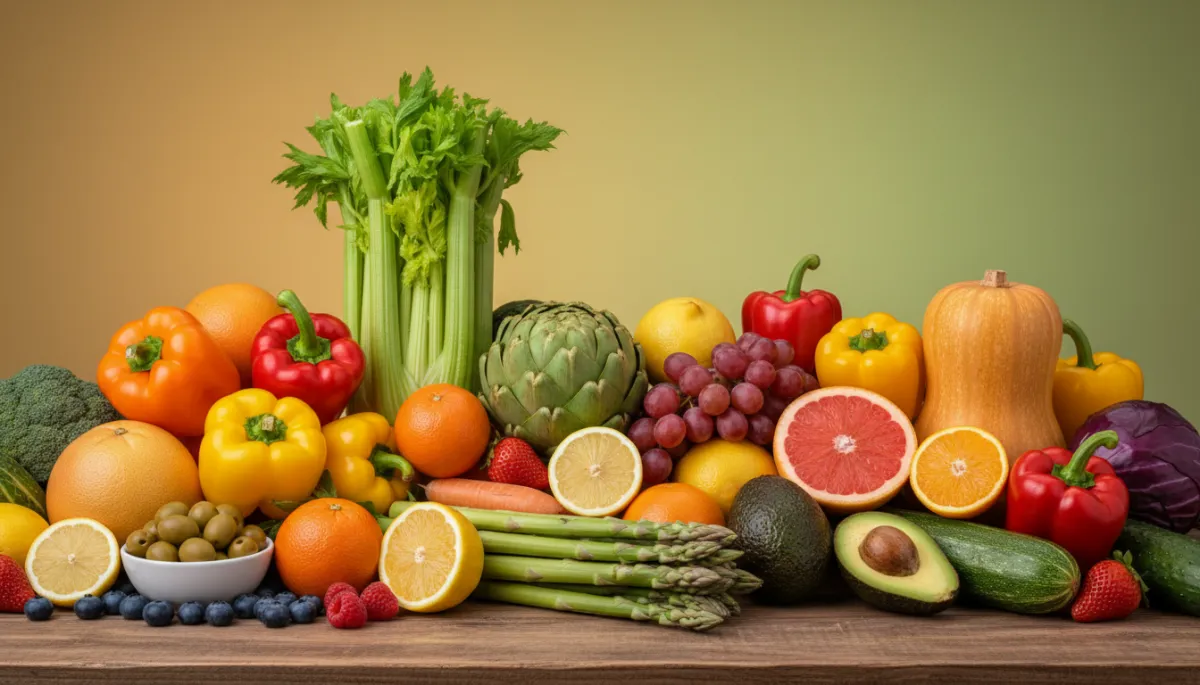
Deeply colored fruits and vegetables contain high concentrations of protective plant compounds that directly support brain function and resilience. The deeper and more vibrant the color, the greater the likely concentration of these biologically active compounds.
Why Color Signals Nutrient Density
The pigments that give produce its color — anthocyanins, carotenoids, flavonoids, betalains, polyphenols — are not decorative. They are biologically active compounds that help support circulation, mitochondrial function, cellular resilience, oxidative stress balance, and brain performance. Beets help support nitric oxide production and healthy circulation to the brain. Berries contain polyphenols that help protect the brain from oxidative stress. Colorful vegetables provide compounds that support cellular signaling, repair, and neuroprotection.
Staple Deeply Colored Produce
Avocados
Beets
Carrots
Berries (blueberries, raspberries, blackberries, strawberries)
Peppers (red, orange, yellow)
Radicchio
Asparagus
Pumpkin or winter squash
Citrus (lemons, limes, oranges)
The goal is variety and consistency. Rotate through different colors throughout the week to expose your body and brain to the widest possible range of phytonutrients.
Sulfur-Rich Vegetables — Detoxification and Brain Repair
Sulfur-containing vegetables are among the most important foods for glutathione production, detoxification, connective tissue support, cellular repair, liver function, and metabolic health. Many people dramatically underestimate how critical sulfur-rich foods are for neurological and metabolic resilience.
Why Sulfur Matters for the Brain and Body
Sulfur plays a central role in producing glutathione — one of the body's most important endogenous antioxidant compounds. Glutathione is essential for detoxifying harmful compounds, reducing oxidative stress within cells, and supporting the immune system. In the nervous system, adequate glutathione levels are associated with better neuroprotection and reduced inflammation. Sulfur-rich vegetables also support the liver's detoxification pathways and provide prebiotic fibers that nourish the gut microbiome — which in turn supports the gut-brain axis.
Staple Sulfur-Rich Vegetables
Radishes
Turnips
Kohlrabi
Rutabaga
Green onions and leeks
Asparagus
Broccoli
Cauliflower
Brussels sprouts
Garlic
Onions
Cabbage
Leafy Greens and Fresh Herbs — The Base Layer

Leafy greens are usually the base layer of a Feed a Brain meal. They are rich in folate, magnesium, potassium, vitamin K, chlorophyll, carotenoids, and phytonutrients — nutrients that support methylation, oxygen delivery, and neurological function. And they are fast. A handful of greens into a bowl takes seconds.
Staple Leafy Greens
Mixed spring greens
Arugula
Baby kale
Spinach
Chard
Watercress
Mustard greens
Fresh Herbs — Flavor and Nutrient Density Simultaneously
Fresh herbs are one of the easiest and most underrated ways to increase both flavor and nutrient density in a meal without adding complexity. Add them generously.
Basil — rich in polyphenols and anti-inflammatory compounds
Cilantro — supports detoxification and adds bright flavor
Sage — contains compounds that support cognitive function and memory
Thyme — rich in antioxidants and antimicrobial compounds
Parsley — high in vitamin K, folate, and flavonoids
Rosemary — contains rosmarinic acid, studied for neuroprotective properties
Quality Protein for Brain Function
The brain requires amino acids from dietary protein to produce neurotransmitters, enzymes, hormones, immune compounds, and structural tissue. Without adequate protein intake — and adequate digestion — the brain lacks the building blocks it needs to function, communicate, and repair. For a deep dive into why protein is so critical for the brain, read our dedicated article: Protein for Your Brain: Why Amino Acids Matter for Function, Repair, and Recovery.
Staple Proteins
Wild-caught canned or fresh tuna
Grass-fed beef (ground, steak, roast)
Pasture-raised chicken or turkey
Wild-caught shrimp
Scallops
Pasture-raised eggs
Organ meats (liver, heart — when available)
Wild-caught cold-water fatty fish (salmon, sardines, mackerel, herring)
Barbecue or roasted meats
A Simple Protein Principle
You do not need every meal to be elaborate. A bowl of greens, grated vegetables, quality protein, olive oil, lemon juice, and sea salt can become an incredibly nutrient-dense meal in just a few minutes. Complete the framework — not a recipe.
Healthy Fats Support Brain Structure and Function

The brain is heavily built from fat. Healthy fats help support cell membranes, hormone production, fat-soluble vitamin absorption, ketogenic metabolism, nervous system stability, and satiety. Fat is not the enemy — the wrong kind of fat is.
Why Bottled Dressings Are Not Brain-Supportive
There is really no reason to buy salad dressing in a bottle. Most commercial bottled dressings are made with industrial seed oils — canola, soybean, corn, sunflower, and safflower — that are highly processed, easily oxidized, and associated with neurological and metabolic inflammation. You can make a far better dressing in under a minute using ingredients that actually support the brain and body, for a fraction of the cost.
How to Make Your Own Dressing in Under a Minute
Start with a healthy fat:
Extra virgin olive oil
Avocado oil
Add an acid source:
Fresh lemon or lime juice
Apple cider vinegar or balsamic vinegar
Banana pepper juice, pickle juice, or kimchi juice
Then season:
Sea salt or mineral salt
Fresh or dried herbs
Cracked pepper, garlic, or spices
That is all you need. Not complicated. Much cheaper. Much tastier. And genuinely supportive of the brain and body.
Digestion Is Everything
Eating healthy food is important. Actually digesting and absorbing it is even more important.
Many people have low stomach acid, low enzyme production, gallbladder stress, microbiome imbalances, or digestive inflammation that reduces nutrient absorption. That means even high-quality food may not fully reach the cells that need it. Targeted digestive support tools used alongside meals help ensure those nutrients are actually getting through.
Targeted Digestive Support Tools
Protein Ignite — take alongside meals with larger amounts of protein to support stomach acid production, amino acid availability, and protein digestion
Broad-spectrum digestive enzymes — take alongside meals with lots of produce to help break down fiber-rich vegetables, herbs, and plant compounds more effectively
GutBrain Omega — take alongside meals with healthy fats to support fat digestion, fat-soluble vitamin absorption, and ketogenic metabolism
How Digestive Support Actually Works
High-quality digestive support does not create dependency or a negative feedback loop where the body forgets how to digest on its own. The opposite happens. When digestion improves, inflammation decreases, nutrients are absorbed more effectively, and the body is better able to restore normal digestive signaling and function.
Supporting digestion can help the body remember how to digest more effectively on its own. These tools are especially valuable during periods of digestive stress, gut dysfunction, inflammation, illness, recovery, or nutritional rebuilding. The goal is not lifelong reliance. The goal is restoring balance, improving digestion, enhancing nutrient absorption, and helping the body regain its own digestive capacity whenever possible. Because ultimately, the goal is not simply eating nutrients — it is getting those nutrients into the cells that actually need them.
The GutBrainBlueprint — Bridging the Gap
GutBrainBlueprint was designed around this exact philosophy. It is intended to be taken with meals and includes targeted digestive support alongside nutrient-dense superfoods that many people are simply not consuming regularly enough in modern life.
The Blueprint includes:
Digestive support for produce, proteins, and fats
Organ meat nutrients
Fermented food support
Sea vegetable minerals
Brain-supportive compounds designed to nourish the gut-brain axis
While real food always comes first, the reality is that most people are not regularly consuming organ meats, sea vegetables, fermented foods, high-DHA seafood, or broad-spectrum digestive support. The GutBrainBlueprint helps bridge the gap between how we ideally want to eat and what realistically happens in everyday life. It enhances digestion while also supplying superfoods that are often missing from modern diets. The goal is not replacing real food — it is enhancing nutrient density, supporting digestion, and making brain-supportive nutrition more accessible and sustainable.
Simple Kitchen Tools That Make It Easy

You do not need an elaborate kitchen setup. A few basic, well-chosen tools make the preparation of nutrient-dense meals significantly faster and easier.
Rotary cheese grater — ideal for quickly grating beets, carrots, radishes, and root vegetables. Grated vegetables mix easily into bowls and are often easier to chew and digest
Chef's knife — a quality chef's knife makes prep faster and more enjoyable
Quality cutting board — wood or composite; large enough to work comfortably
Large metal mixing bowl — for tossing greens, produce, protein, and dressing together quickly
Simple Assembly Directions
Once ingredients are prepped — ideally in a batch ahead of time — meals come together in just a few minutes:
Cook protein as desired (roast, grill, sauté, or use pre-cooked barbecue or canned options)
Slice, grate, or chop produce
Add a handful of leafy greens to a bowl
Add colorful deeply colored produce and sulfur-rich vegetables
Add quality protein
Drizzle with oil, add acid (lemon, vinegar, or fermented juice), sea salt, herbs, and spices
Toss and enjoy
Simple meals done consistently often outperform complicated nutrition plans that people cannot sustain. Batch prepping produce — especially roasting trays of root vegetables and sulfur-rich vegetables ahead of time — makes this even faster throughout the week. Check out the Batch Cooking Roasted Veggies Guide here.
Final Thoughts: Simple, Practical, Brain-Supportive
Nutrition does not have to be extreme to be powerful. When meals consistently contain quality protein, deeply colored produce, sulfur-rich vegetables, leafy greens, healthy fats, herbs, spices, minerals, and digestive support, you create an internal environment that better supports brain function, cognitive performance, energy, recovery, neuroplasticity, nervous system resilience, and long-term metabolic health.
This shopping list is not about dietary perfection. It is about building meals that consistently provide the brain and body with the raw materials needed to function, adapt, repair, and thrive. Simple. Practical. Repeatable. Brain-supportive.
Ready to Put It All Together?
Use this shopping list as your foundation, then explore the Bowls & Blends guide to see exactly how to build these ingredients into complete brain-supportive meals — and the GutBrainBlueprint to fill the gaps your shopping cart can't always cover.
Bowls & Blends Guide →Explore GutBrainBlueprint →
Frequently Asked Questions
What is the Feed a Brain shopping list designed for?
It is a practical, repeatable food framework designed to support brain function, cognitive performance, energy, digestion, neurological recovery, and metabolic resilience. It focuses on nutrient-dense whole foods organized into the key categories that feed the brain and nervous system: deeply colored produce, sulfur-rich vegetables, leafy greens, quality protein, and healthy fats.
Do I need to buy every item on the list?
No. The list is a framework, not a rigid prescription. Start with at least one or two items from each category and build your personal rotation from there. Variety across the categories matters more than any single specific food. Consistency with the framework over time is what creates lasting results.
Why are sulfur-rich vegetables so important for brain health?
Sulfur-rich vegetables support glutathione production — the body's primary endogenous antioxidant. Glutathione is essential for detoxification, cellular repair, immune function, and neuroprotection. They also support liver function and provide prebiotic fibers that nourish the gut microbiome, which directly influences the gut-brain axis. Including them regularly is one of the most impactful dietary habits for long-term brain support.
Why should I skip bottled salad dressings?
Most commercial bottled dressings are made with industrial seed oils — canola, soybean, sunflower — that are highly processed, easily oxidized, and associated with inflammation. You can make a far better dressing in under a minute using extra virgin olive oil or avocado oil, fresh lemon juice or vinegar, sea salt, and herbs. Cheaper, tastier, and genuinely brain-supportive.
What are the Feed a Brain digestive support tools and when should I use them?
Feed a Brain recommends three targeted digestive support tools: Protein Ignite alongside protein-rich meals, broad-spectrum digestive enzymes alongside produce-heavy meals, and GutBrain Omega alongside fat-rich meals. Each supports a different macronutrient digestion pathway to help ensure nutrients from real food actually reach the cells that need them.
How do I turn this shopping list into a meal?
Start with a base of leafy greens. Add colorful produce and sulfur-rich vegetables — grated, roasted, or raw. Add quality protein. Drizzle with olive oil, a squeeze of lemon, sea salt, and fresh herbs. Toss and eat. The whole process can take less than five minutes if produce is prepped in advance. See the Bowls & Blends guide for a complete breakdown of the meal-building framework.
What is the GutBrainBlueprint and how does it complement the shopping list?
The GutBrainBlueprint is a meal supplement system that bridges the gap between ideal eating and real-life eating. It includes digestive support for produce, proteins, and fats, along with organ meat nutrients, fermented food support, sea vegetable minerals, and brain-supportive compounds. It is designed to be taken with meals — complementing the shopping list, not replacing it — to enhance nutrient density and digestive capacity in a practical, convenient way.