
Protein for Your Brain: Why Amino Acids Matter for Function, Repair, and Recovery
Most people think about protein in terms of muscles. And while protein certainly helps build and maintain muscle tissue, that is only part of the story. Your brain depends on protein every single day — and for many people dealing with brain fog, fatigue, mood instability, or neurological challenges, inadequate protein intake and poor protein digestion are significant contributors to how they feel.
Every neurotransmitter your brain uses to think, communicate, remember, and regulate mood is built from amino acids derived from dietary protein. Every enzyme driving biochemical reactions throughout your body is a protein. The tissues that support your nervous system depend on protein for repair, maintenance, and recovery. Protein is not just a building block for muscle — it is foundational infrastructure for a functioning brain.
What You Will Learn
Protein Is the Body's Primary Building Material
Building Up and Breaking Down — Anabolism vs. Catabolism
The Other Half of the Equation — Protein Digestion
Protein Ignite — Supporting Your Body's Digestive Process
How Much Protein Do You Need?
Feeding a Brain with Protein — Neurotransmitters and Neurological Function
FAQ
Protein Is the Body's Primary Building Material
Protein supplies amino acids — the building blocks your body uses to build, repair, and maintain tissues throughout the body and brain. These amino acids are raw materials. Without an adequate and consistent supply, the body cannot properly maintain the structures and systems that keep you healthy, resilient, and cognitively sharp.
What Protein Actually Builds
Protein is involved in virtually every structural and functional process in the human body:
Your muscles are built from protein
Your connective tissue is built from protein
Your enzymes — the catalysts driving thousands of biochemical reactions — are proteins
Many of your hormones are proteins or peptides
The lining of your digestive tract depends on protein for integrity and repair
Your immune system produces antibodies and signaling compounds made from protein
Many of the neurotransmitters that allow your brain to think, learn, remember, and communicate are built from amino acids derived from protein
Every day, your body is breaking down old tissue and building new tissue. Proteins are being recycled, repaired, and replaced continuously. The question is whether you are supplying enough building material to keep up with that demand — and whether your digestive system is able to extract and absorb those amino acids effectively.
Essential Amino Acids — Why You Must Get Them From Food
Some amino acids are classified as essential amino acids, meaning the body cannot synthesize them on its own and must obtain them from dietary sources. These include tryptophan, lysine, methionine, valine, leucine, isoleucine, phenylalanine, threonine, and histidine.
When these amino acids are not adequately supplied through food, the body still needs to perform the functions that depend on them — neurotransmitter production, immune response, tissue repair, hormone synthesis, and more. The body is remarkably resourceful. If the building materials are not coming in from the diet, it will find another source — and that source is its own tissues.
Building Up and Breaking Down — Anabolism vs. Catabolism
The body is constantly balancing two opposing biological processes. Anabolism is the building process — constructing new tissue, repairing damage, growing and recovering. Catabolism is the breakdown process — dismantling existing structures to release energy or raw materials for essential functions.
When nutrition is adequate and protein intake is sufficient, the body has the resources to build, repair, and recover. When protein intake is insufficient — or when digestion prevents adequate absorption — the scales tip toward catabolism.
When Protein Is Insufficient, the Body Borrows From Itself
The body stores a significant reserve of amino acids in skeletal muscle. When dietary protein is inadequate, the body begins breaking down muscle tissue to obtain the amino acids needed to maintain more essential functions — including neurological function, immune activity, and enzyme production.
This process of breaking down the body's own tissues to fuel essential functions is catabolism. The downstream effects include loss of strength, loss of muscle mass, slower recovery, reduced resilience, and over time, compromised neurological function. The body is always prioritizing survival. If it must break down tissue to keep essential systems running, it will — and it will do so without alerting you directly.
This is why adequate protein intake is not optional for anyone seeking to support cognitive performance, recover from neurological challenges, or maintain resilience as they age.
The Other Half of the Equation — Protein Digestion

Getting enough protein in your diet is only half the equation. You also have to digest it effectively.
Protein is one of the most digestion-dependent nutrients we consume. Before the body can use dietary protein, it must first be broken down from whole food into smaller peptide chains, and then into individual amino acids that can be absorbed through the intestinal wall and transported into circulation. This process requires a well-functioning digestive system operating with adequate resources.
Why Digestion Matters as Much as Intake
Protein digestion depends on several critical factors working together:
Adequate stomach acid (hydrochloric acid) — initiates protein breakdown and activates pepsin, the primary enzyme responsible for digesting protein in the stomach
Pepsin — the stomach's primary proteolytic enzyme, activated by HCl, that breaks protein into smaller peptides
Proteolytic enzymes — produced by the pancreas and released into the small intestine to continue breaking peptides into individual amino acids
Healthy intestinal function — an intact gut lining that allows amino acids to be properly absorbed into circulation
When any of these steps is compromised — which is very common in people dealing with chronic stress, inflammation, gut dysfunction, or neurological challenges — protein digestion becomes inefficient. The body cannot use what it cannot absorb. Simply eating more protein does not solve impaired digestion.
Why Some People Stop Craving Protein
Many people assume that if they needed more protein, their body would signal that need through cravings. But when protein digestion has been compromised for a long time, something counterintuitive happens: people lose their appetite for protein-rich foods.
Heavy, protein-rich meals feel uncomfortable. Meat feels difficult to digest. The desire for protein decreases. The body naturally guides us toward foods that feel manageable — and when digestion is impaired, lighter, easier-to-process foods feel better even if they are not providing the amino acids the brain and body need.
Improving digestive capacity changes this. As digestion improves and the body regains the ability to break down and absorb protein effectively, the craving for protein-rich foods often naturally returns.
Protein Ignite — Supporting Your Body's Digestive Process

This is one of the core reasons I created Protein Ignite.
When people do not crave meat or other complete protein sources, it is often because they are not digesting them effectively. Our bodies do not naturally crave what they are not equipped to process. Over time, protein-rich meals feel heavy or uncomfortable, and people begin gravitating toward foods that feel easier — even when those foods are not providing the raw materials needed for repair and recovery.
Protein Ignite was designed specifically to support the breakdown and digestion of dietary protein by providing ingredients that support the body's own digestive process.
What Protein Ignite Contains
Protein Ignite provides targeted support for protein digestion through four key components:
Hydrochloric acid (HCl) — the primary acid of the stomach, essential for initiating protein breakdown and creating the acidic environment pepsin requires to function
Pepsin — the stomach's primary protein-digesting enzyme, responsible for breaking whole proteins into smaller peptide chains
Glutamic acid — an acidifying amino acid that supports the stomach's natural acid environment
Digestive bitters — botanicals that help stimulate the body's own digestive secretions, including bile flow, stomach acid, and enzyme production
Supporting the System, Not Replacing It
A common concern with digestive support supplements is whether providing external digestive acids or enzymes will cause the body to become dependent on them over time. This is not what happens with properly formulated digestive support.
Providing ingredients that support the body's digestive processes does not create a negative feedback loop where the system forgets how to do its job. Quite the opposite. When the digestive system is given the support it needs, it is reminded of what it is capable of doing. The digestive bitters in Protein Ignite actively stimulate the body's own secretions — supporting the natural processes already built into the digestive system.
When digestion improves and amino acids become available, the body uses them to repair, maintain, and rebuild tissues throughout the body and nervous system. The goal is not simply to eat more protein — it is to make those building blocks genuinely available so the brain and body can build themselves up rather than breaking themselves down.
How Much Protein Do You Need?
There are many formulas, macro calculators, and gram-tracking systems available. For most people, obsessive counting is not necessary. What matters most is consistency and quality over time.
A Practical Daily Guideline
0.75 to 1.5 ounces of meat per 10 pounds of body weight per day
(Approximately 50 to 100 grams of meat per 10 kilograms of body weight per day)
For most adults, this works out to approximately 2 to 4 fist-sized portions of protein-rich foods throughout the day. This simple visual guideline allows most people to get close without weighing food or tracking every gram.
Focus on consuming complete proteins from foods such as meat, fish, eggs, and organ meats — foods that provide all of the essential amino acids the body cannot manufacture on its own. If you are recovering from injury, supporting neurological healing, managing chronic illness, building muscle, or maintaining resilience as you age, your protein requirements are typically on the higher end of this range.
Consistency matters more than perfection. The goal is to make adequate protein a reliable, daily part of how you nourish your brain and body.
Feeding a Brain with Protein — Neurotransmitters and Neurological Function
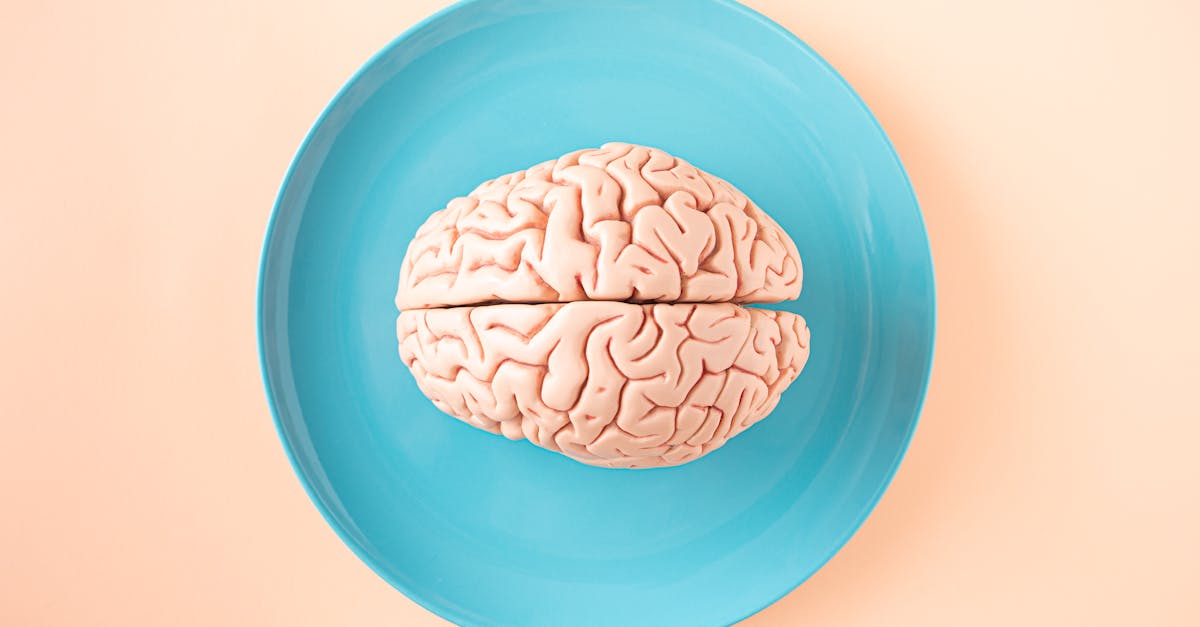
Your brain is not a closed system operating independently of what you eat. It is metabolically demanding, biochemically active, and directly dependent on the nutrients you supply it through food and digestion. Protein — and the amino acids it provides — sits at the center of how the brain builds its most important chemical messengers.
Key Amino Acids and the Neurotransmitters They Build
Many of the brain's most critical neurotransmitters are synthesized directly from amino acids derived from dietary protein:
Tryptophan → Serotonin — Tryptophan is the sole dietary precursor to serotonin, a neurotransmitter involved in mood regulation, emotional stability, sleep quality, and well-being. Without adequate tryptophan from food, the brain's capacity to produce serotonin is directly limited.
Tyrosine → Dopamine, Norepinephrine, and Epinephrine — Tyrosine is the precursor to the catecholamine neurotransmitters involved in motivation, focus, reward, energy, attention, and stress response — fundamental to cognitive performance and resilience.
Glutamine → Glutamate and GABA — Glutamine serves as a precursor to both glutamate and GABA. Glutamate is the brain's primary excitatory neurotransmitter, essential for learning, memory, and synaptic signaling. GABA is the brain's primary inhibitory neurotransmitter — providing calm, balance, and protection against overstimulation.
Why This Matters for Brain Health
The brain cannot manufacture neurotransmitters out of nothing. It requires amino acids as raw materials, and those amino acids must come from the foods you eat and the protein your digestive system can actually break down and absorb.
When dietary protein is insufficient — or when digestion prevents adequate amino acid absorption — the supply of neurotransmitter precursors is reduced. This can manifest as low mood, poor focus, difficulty with memory, disrupted sleep, reduced motivation, or impaired stress resilience. These are not just feelings. They are downstream biochemical consequences of inadequate protein supply and assimilation.
This is why protein and digestion are both foundational to brain health. Together, they determine how well your brain can build the molecules it needs to function, adapt, and recover. For anyone working to support cognitive performance, recover from neurological challenges, or build long-term brain resilience, getting protein right — both intake and digestion — is non-negotiable.
To learn more about how to build complete brain-supportive meals that incorporate quality protein alongside all three categories of produce, brain-healthy fats, and digestive support nutrients, see our Feed a Brain Bowls & Blends guide.
Final Thoughts: Building a Brain That Can Build Itself Up
Protein is not a performance supplement or a bodybuilder's nutrient. It is fundamental infrastructure for a functioning nervous system — and for anyone who wants their brain to think clearly, recover effectively, and maintain resilience over time.
The goal is not simply to eat more protein. The goal is to make those amino acids genuinely available — through adequate intake of high-quality protein sources and through a digestive system that can actually break them down, absorb them, and deliver them to the tissues that need them most.
Support digestion. Prioritize complete proteins. Be consistent. And give your brain the raw materials it needs to build itself up.
Support Your Protein Digestion
If protein-rich foods feel heavy or unappealing, your digestive system may need support. Protein Ignite was designed to help your body break down and absorb protein more effectively — so those amino acids can actually reach your brain.
Learn About Protein Ignite →Explore the Bowls & Blends Guide →
Frequently Asked Questions
Why is protein important for brain health beyond just building muscle?
Protein provides the amino acids required to build neurotransmitters, enzymes, hormones, immune compounds, and the structural proteins that support the nervous system. Many of the brain's most critical chemical messengers — including serotonin, dopamine, and GABA — are synthesized directly from amino acids derived from dietary protein. Without an adequate supply, the brain's ability to produce these molecules is directly limited.
What are essential amino acids and why must we get them from food?
Essential amino acids are amino acids the body cannot synthesize on its own and must obtain from dietary sources. They include tryptophan, lysine, methionine, valine, leucine, isoleucine, phenylalanine, threonine, and histidine. Complete protein foods — meat, fish, eggs, and organ meats — provide all essential amino acids in highly bioavailable form.
What happens when protein intake is too low?
When dietary protein is inadequate, the body still needs amino acids to run essential functions. It obtains them by breaking down its own tissues, primarily skeletal muscle — a process called catabolism. The results include loss of muscle mass, reduced strength, slower recovery, decreased resilience, and over time, compromised neurological function.
Why do some people lose their craving for protein-rich foods?
When protein digestion is compromised, protein-rich meals feel heavy and uncomfortable. Over time, the body guides us away from foods it is not equipped to handle efficiently. Improving digestive capacity — particularly stomach acid and enzyme output — often restores the natural appetite for protein-rich foods.
What is Protein Ignite and how does it support protein digestion?
Protein Ignite is a digestive support supplement designed to help the body break down and absorb dietary protein more effectively. It contains hydrochloric acid (HCl), pepsin, glutamic acid, and digestive bitters — ingredients that support stomach acid production, protein-digesting enzyme activity, and the body's own natural digestive secretions.
How much protein does the average person need per day?
A practical guideline: 0.75 to 1.5 ounces of meat per 10 pounds of body weight per day (approximately 50 to 100 grams per 10 kilograms). For most adults, this is roughly 2 to 4 fist-sized portions of protein-rich foods throughout the day. Those recovering from injury, illness, or neurological challenges typically benefit from the higher end of this range.
Which protein sources are best for brain health?
The Feed a Brain framework prioritizes wild-caught cold-water fatty fish (salmon, sardines, mackerel) for DHA and EPA; grass-fed red meat for iron, zinc, B12, carnitine, and creatine; pasture-raised eggs for choline and complete amino acids; and organ meats — particularly liver — for their extraordinary concentration of B vitamins, minerals, and CoQ10. Pasture-raised poultry and high-quality pasture-raised pork are also excellent additions when sourced carefully.