
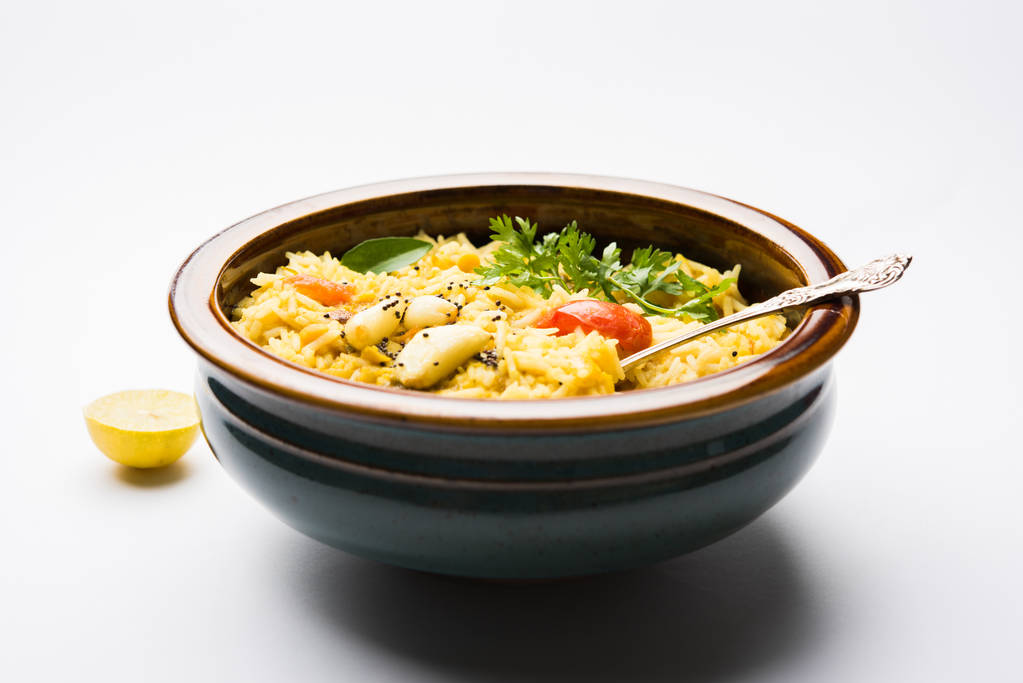
Kitchari
A Powerful Healing Food for Digestion and Cleansing
Kitchari is a time-honored Ayurvedic dish known for its gentle detoxifying properties and digestive ease. This simple combination of basmati rice (or quinoa) and lentils, cooked with anti-inflammatory spices, supports the body’s natural detoxification while providing nourishing, easily digestible nutrients. Because it is warm, soft, and light on the gut, kitchari is often used in cleansing protocols to help reset digestion, reduce bloating, and promote gut healing. The addition of ghee and digestive spices like cumin, ajwain, and turmeric enhances nutrient absorption and soothes the digestive tract, making it an excellent choice for gut health, gentle detoxification, and restoring balance to the body. Whether you’re looking to support liver function, heal the gut lining, or give your digestive system a break, kitchari is a perfect one-pot meal that brings warmth, nourishment, and deep healing.
Ayurvedic Kitchari Recipe
Description:
A simple and nutritious dish featuring dal (lentils) and basmati rice or quinoa. It is a balanced meal, ideal for cleansing and gentle digestion.
Ingredients:
- 2 cups yellow split mung dal or red lentils (masoor dal)
- 1-2 cup basmati rice or quinoa (less rice = less carbs, more protein)
- 1.5 teaspoon cumin seeds
- 1 teaspoon ajwain seeds (optional)
- 1.5 teaspoon turmeric powder
- 1.5 teaspoon whole fennel seeds (optional)
- 1.5 teaspoon whole fenugreek seeds (optional)
- 9-11 cups water
- 1-2 teaspoon salt or to taste
- 1-2 tablespoon Mom’s Masala (optional)
- 1.5 tablespoon ghee or olive oil
- Fresh chopped cilantro, basil, or dill (for garnish)
- Freshly ground black pepper (optional)
You can separately cook and then add chopped vegetables (cut into small 1/2-inch pieces)
Examples: green beans, zucchini, daikon radish, carrots, asparagus, taro root, okra, green papaya, squash.
Avoid: potatoes, eggplant, tomatoes, and peppers.
Pressure Cooker Instructions
Prep Time: 5-10 minutes
Cooking Time: ~20 minutes (including pressure build-up & release)
Serves: 8-10
1. Prepare the Dal and Rice
- Rinse the yellow split mung dal (or red lentils) and basmati rice (or quinoa) in a fine mesh sieve under cold water until the water runs clear.
- Drain well.
2. Preheat the Pressure Cooker
- Set the pressure cooker (Instant Pot or stovetop model) to Sauté mode (if available) or heat on medium-high.
- Add 1 tablespoon ghee or olive oil.
3. Bloom the Spices
- Add cumin seeds, ajwain seeds, turmeric powder, fennel seeds, and fenugreek seeds (if using).
- Stir and sauté for about 30 seconds to 1 minute until aromatic.
4. Add Rice and Dal
- Add the rinsed dal and rice/quinoa to the pot and stir to coat with the spices.
- Pour in 9-11 cups of water (adjust based on how soupy you prefer the khichari).
5. Pressure Cook
- Close the lid and set the valve to “Sealing” (if using an Instant Pot).
- Select Manual (Pressure Cook) mode and set to 10 minutes on HIGH pressure.
- For a stovetop pressure cooker, cook for 8-10 minutes after reaching full pressure.
6. Natural Release & Final Seasoning
- Once the cooking cycle completes, allow pressure to release naturally for 10 minutes.
- Then, carefully manually release any remaining pressure by turning the vent to “Venting” (for Instant Pot) or using the quick-release method (for stovetop cookers).
7. Garnish & Serve
- Stir in Mum’s Masala (optional) and a little extra ghee for richness.
- Add black pepper if desired.
- Sprinkle with fresh cilantro, basil, or dill and let sit for 1 minute before serving.
Cooking Tips for Pressure Cooking:
- If you prefer a thicker consistency, use 9 cups of water.
- If you want it more soupy, use 11 cups of water.
- The dal and rice will continue to thicken as they sit; you can add warm water if needed.
- Store leftovers in an airtight container in the fridge for up to 3 days.
Stove-Top Instructions
Yield: Enough for 8-10 persons
Cooking time: 60 minutes
Prep time: 5-10 minutes
Dairy-free Option Available
- Prepare the Dal and Rice:
- Rinse the rice and dal at least twice. Wash well and drain.
- Prepare the Spices:
- Place cumin seeds, ajwain seeds, and turmeric in a spice or coffee grinder and grind into a powder.
- Cook the Base:
- In a large pot, add the rinsed rice and dal along with water. Bring to a boil.
- Remove any froth from the surface.
- Add Spices and Simmer:
- Add ghee or olive oil, ground spices, and salt.
- Add the chopped vegetables.
- Bring to a boil, then reduce heat to simmer.
- Cook Until Soft:
- Cover and let cook, stirring occasionally, for about 40 minutes or until the dal and rice are soft.
- If the mixture thickens too much, add more water.
- Final Flavoring:
- Before removing from heat, stir in an extra teaspoon of ghee and Mum’s Masala (if using).
- Add black pepper if desired.
- Garnish and Serve:
- Turn off the heat and sprinkle fresh herbs (cilantro, basil, or dill) on top.
- Let them warm for a minute before serving.
Cooking Tips:
- To enhance flavor, you can add 1-2 teaspoons of grated fresh ginger at the start.
- To make khichari on a cleanse day:
- Use yellow split mung dal and rice or quinoa.
- Include cleansing vegetables like okra, green papaya, taro root, and squash.