
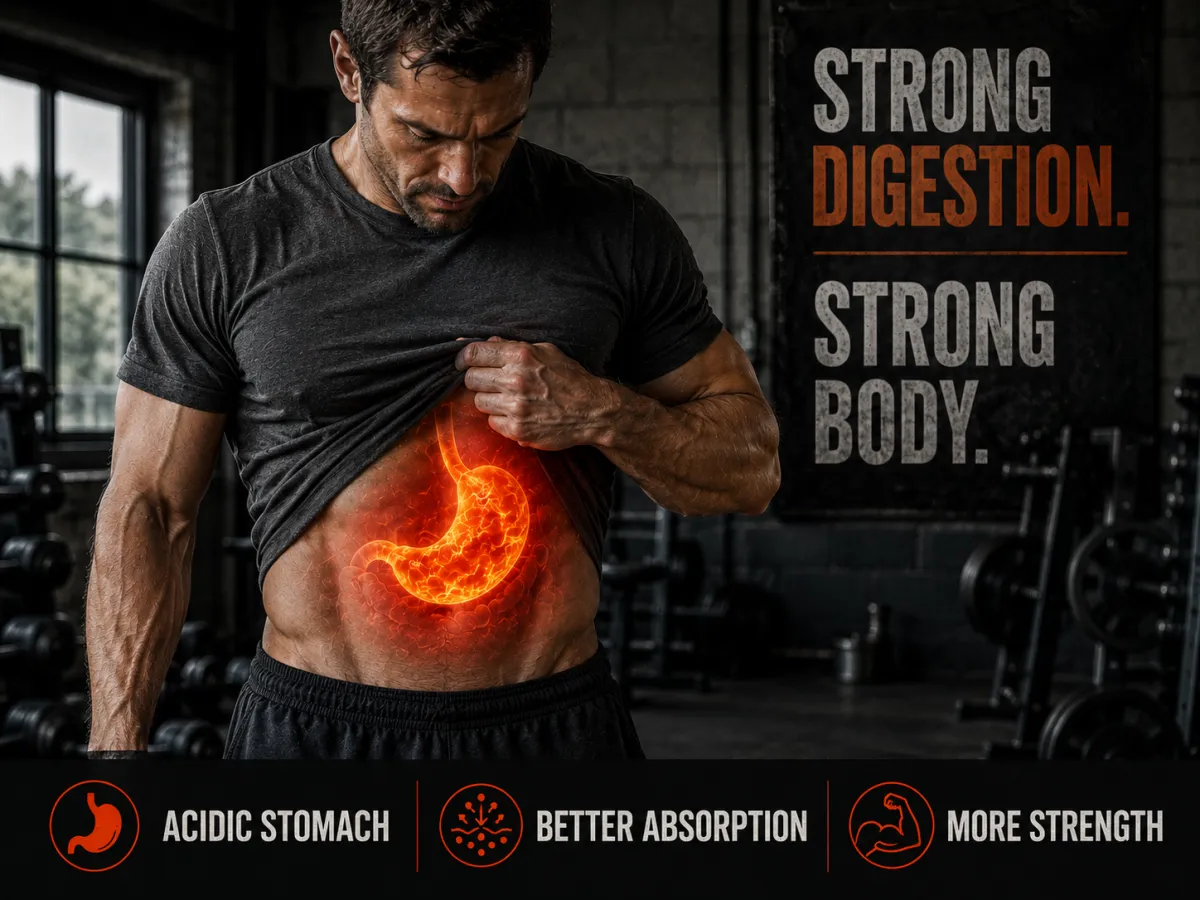
The Most Overlooked Step in the Gut-Brain Axis
Big Takeaways From This Article
Stomach acid is your friend.
Mucus lining is your friend.
And they need each other for you to effectively derrive energy and nutrients from your food.
Your stomach is supposed to be acidic.
Stomach acid helps protect you from organisms that enter through your mouth.
Stomach acid helps break down food into usable building blocks.
Stomach acid activates digestive enzymes.
Stomach acid helps liberate and assimilate nutrients from food.
The gastric mucus lining protects the stomach from digesting itself.
Protein digestion influences far more than muscle growth.
It’s about internal healing
Wound repair
Immune strength
Hormonal and neurotransmitter balance
Tissue regeneration and nutrient transport
Getting protein digestion right is huge!
And the gastric mucosal lining helps make that possible.
That acidity is part of your body’s defense system and digestive power.
But your body also needs a strong protective mucus lining so that acid can do its job safely.
That is why I think about stomach support in two parts:
Strength: Promote an acidic stomach
Protection: Support the mucus lining
Strength
Protein🧪Ignite helps support the fire by boosting stomach acid.
Protection
Glow🌿Soothe helps support the lining by promoting a healthy mucous membrane in the gut and stomach.
Together, they represent two sides of digestion: strength and protection.
When digestion works, the whole body has a better chance to work.
And when protein digestion works, the brain and body have the raw materials they need to repair, rebuild, and rise.
Supercharging Digestion From the Start
When I talk about the gut-brain axis, people often go straight to probiotics.
Probiotics are popular. The microbiome is fascinating. Gut bacteria matter.
But starting with probiotics is often a mistake.
Before we talk about what bacteria are living in your gut, we need to talk about whether your digestive system is actually doing its job.
That means starting at the beginning.
The gut-brain axis does not begin with a probiotic capsule.
It begins with the brain, mouth, and stomach.
Probiotics are way further downstream.
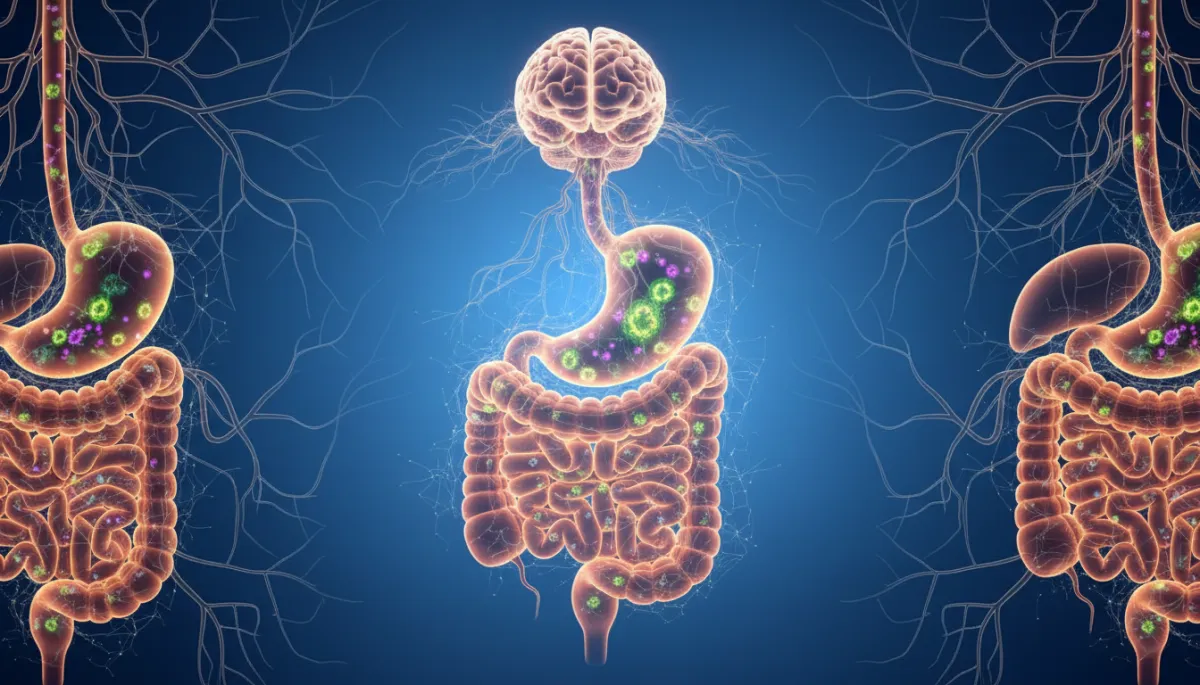
When you see, smell, taste, and chew food, your brain and nervous system begin preparing your digestive system for what is coming. This early phase of digestion is called the cephalic phase of digestion, which means head. At this stage the grain is firing up the system, and we are producing saliva, stomach acid, enzymes, and other digestive secretions.
Most people are doing okay with the mouth part. They may need to chew more, slow down, and eat in a more relaxed state, but the mouth is usually not where the biggest breakdown happens.
The place I want to look before probiotics is the stomach.
This is where the real digestive fire begins.
Your stomach is where food gets churned, acidified, broken down, sterilized, and prepared for the rest of the digestive tract.
This is where hydrochloric acid, digestive enzymes, and the gastric mucosal lining all work together to transform food into usable nutrition.
When that system is working well, digestion feels smooth, strong, and efficient.
And because digestion feeds the brain, supports neurotransmitter production, regulates inflammation, and helps determine what actually gets absorbed into the body, stomach function is a whole body issue.
Stomach acid is actually the key to:
Building muscle by unlocking amino acids from protein
Defending your body from harmful bacteria and pathogens
Boosting nutrient absorption, including critical vitamins and minerals like B12, iron, calcium, and magnesium
Faster recovery and healing by giving your body the raw materials it needs
But here’s the kicker: As we age, our stomach acid levels naturally decline. By the time we hit sixty, we’re often producing just a fraction of the stomach acid we used to! Not to mention that chronic stress, nutrient deficiencies, gut infections, low-protein diets, and autoimmune conditions are also associated with reduced stomach acid. So it makes so much sense to supplement with HCl.
💥 The Role of Stomach Acid: The Digestive Powerhouse
It’s critical for:
Muscle building
Killing bad bacteria and other pathogens
Nutrient absorption
Supporting rapid healing and recovery
Yet by age 60, most of us are running low. And this can lead to:
Bloating, gas, fatigue
Weak muscle response, even with a high-protein diet
Downstream infections like SIBO or H. pylori
And here’s the worst part: antacids make it all worse by raising pH, which:
Keeps the LES open (causing GERD)
Allows bacteria to enter the intestines
Blocks absorption of key nutrients like B12 and iron
💪 Want to Build Muscle? You Need Stomach Acid
Stomach acid is imperative for protein digestion.
When I was recovering, I had a blood test that showed certain amino acids were low. I was eating plenty of protein, but I wasn’t digesting and absorbing them. I was feeding my body the raw materials—but without stomach acid, those nutrients weren’t being delivered where they were needed.
No matter how much protein you’re eating, if your stomach isn’t acidic enough, you’re not fully digesting and absorbing those amino acids. That means your efforts to fuel your workouts, recover, and build strength are falling short.
🧠 Why More Acid in The Stomach is Alkaline in The Blood
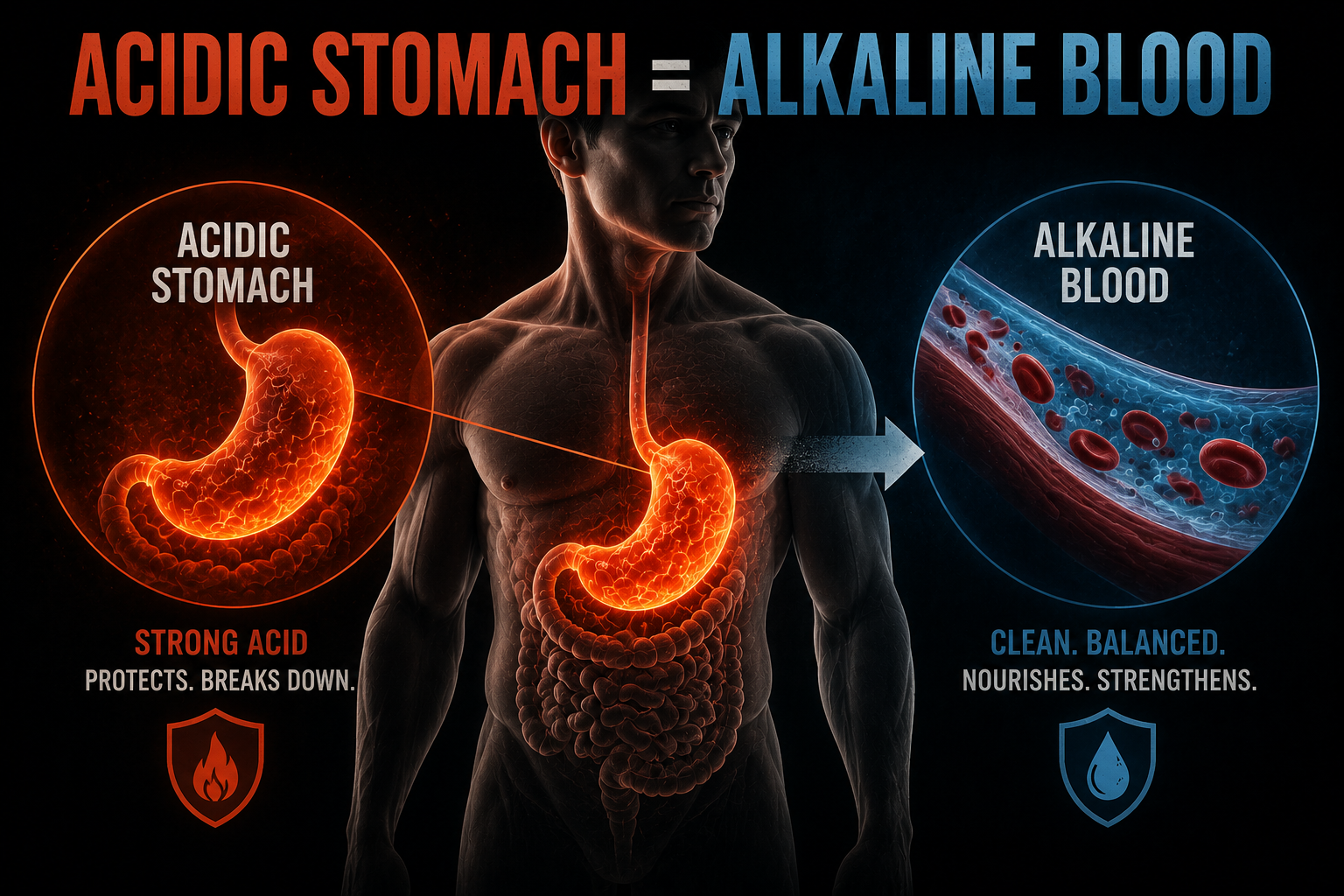
This is where acid and alkaline can get confusing.
Some people hear “stomach acid” and think it works against an alkaline diet. But that is not the case.
Lemons and limes are a great example. They are acidic, but are considered alkaline-forming in the body. How and why?
Think of digestion like a fire.
When your digestive fire is strong, your body can properly break down food, extract minerals, absorb nutrients, and maintain the delicate chemistry that keeps your blood and tissues in balance.
Supporting stomach acid does not mean making the whole body “acidic.”
It means helping the stomach do the acidic work it is designed to do, so the rest of the body can maintain balance.
In that sense, supporting stomach acid supports the goals of an alkaline diet.
Strong digestion helps the body transform food into usable nutrition.
Weak digestion leaves more room for irritation, fermentation, inflammation, and poor nutrient assimilation. Which creates an acidic environment in the blood.
So the goal is not to avoid acid.
The goal is to put acid where it belongs.
In the stomach.
Doing its job.
Feeding the fire.
An acidic environment in the stomach plays a key role in:
Killing harmful pathogens
Activating digestive enzymes
Breaking down protein into absorbable amino acids
Your stomach has a thick mucosal lining that protects it from its own acidic environment. If that lining is impaired, irritated, or under-supported, acidic foods, spicy foods, or acid-supportive supplements may create discomfort.
That does not necessarily mean acid is the enemy.
It may mean the protective lining needs support.
If your stomach doesn’t produce enough hydrochloric acid (HCl), digestion is compromised from the start. One of the side effects of low stomach acid is the improper closure of the lower esophageal sphincter (LES)—the muscle that keeps stomach acid from flowing back up. An acidic environment in the stomach is what signals the LES to stay tightly closed. Ironically, this means acid reflux and heartburn are often caused by too little stomach acid, not too much.
While taking an antacid or PPI with a meal may relieve the burning sensation (because the stomach is no longer acidic), reducing the acidity of the stomach is one of the worst things you can do for your digestion.
The Diabolical Brilliance of Antacids

Antacids make the symptom feel better while potentially allowing the underlying digestive problem to continue.
Antacids and acid-blocking medications work by reducing stomach acidity. In pH terms, they raise the pH of the stomach, making the stomach less acidic.
That can reduce burning in the short term.
But stomach acid is so important. It is there to digest food, activate enzymes, break down protein, absorb nutrients, and help defend you from microbes that come in through your mouth.
This is where antacids become diabolically brilliant.
When stomach acid is suppressed, a few things happen. Remember how an acidic environment in the stomach is what signals the doorway between the stomach and esophagus (the LES) to stay tightly closed? Well when stomach acid is suppressed, the LES malfunctions which is literally what GERD is.
So it makes sense to draw the conclusion that the treatment for GERD masks the symptoms but it also exacerbates GERD.
Additionally, because the stomach is not acidic to kill harmful bacteria in your food, these organisms are able to survive as they travel further downstream into the small intestine.
And here these microbes set up shop and start families that overgrow in the small intestines. This is called small intestinal bacterial overgrowth, or SIBO.
Research has found that proton pump inhibitors, a common class of acid-suppressing medications, are associated with a SIBO diagnosis.
Cleveland Clinic describes SIBO as an overgrowth or imbalance of microorganisms in the small intestine that can cause gas, diarrhea, and impaired digestion and absorption. This overgrowth of bacteria can ferment food, produce gas, create bloating, increase pressure, irritate the gut, and interfere with digestion and nutrient absorption.
And here is where the loop gets even more diabolical.
If bacterial overgrowth creates gas and bloating, that pressure can push upward. More upward pressure can stress the already malfunctioning lower esophageal sphincter, the valve that is supposed to keep stomach contents in the stomach.
When pressure builds below, reflux can move upward.
Then the person feels heartburn.
Then they take antacids or acid blockers.
Then the stomach becomes less acidic.
Then more microbes may survive.
Then the downstream overgrowth pattern may worsen.
Then gas, bloating, pressure, and reflux can continue.
That is the feedback loop:
Reflux → antacid → lower stomach acidity → weak LES → weaker microbial defense → more downstream dysbiosis risk → more gas and pressure → more reflux.
That is why we do not want to ask only:
“How do we stop the burning?”
We want to address the source without impairing our defenses or digestion.
The Stomach Lining Matters
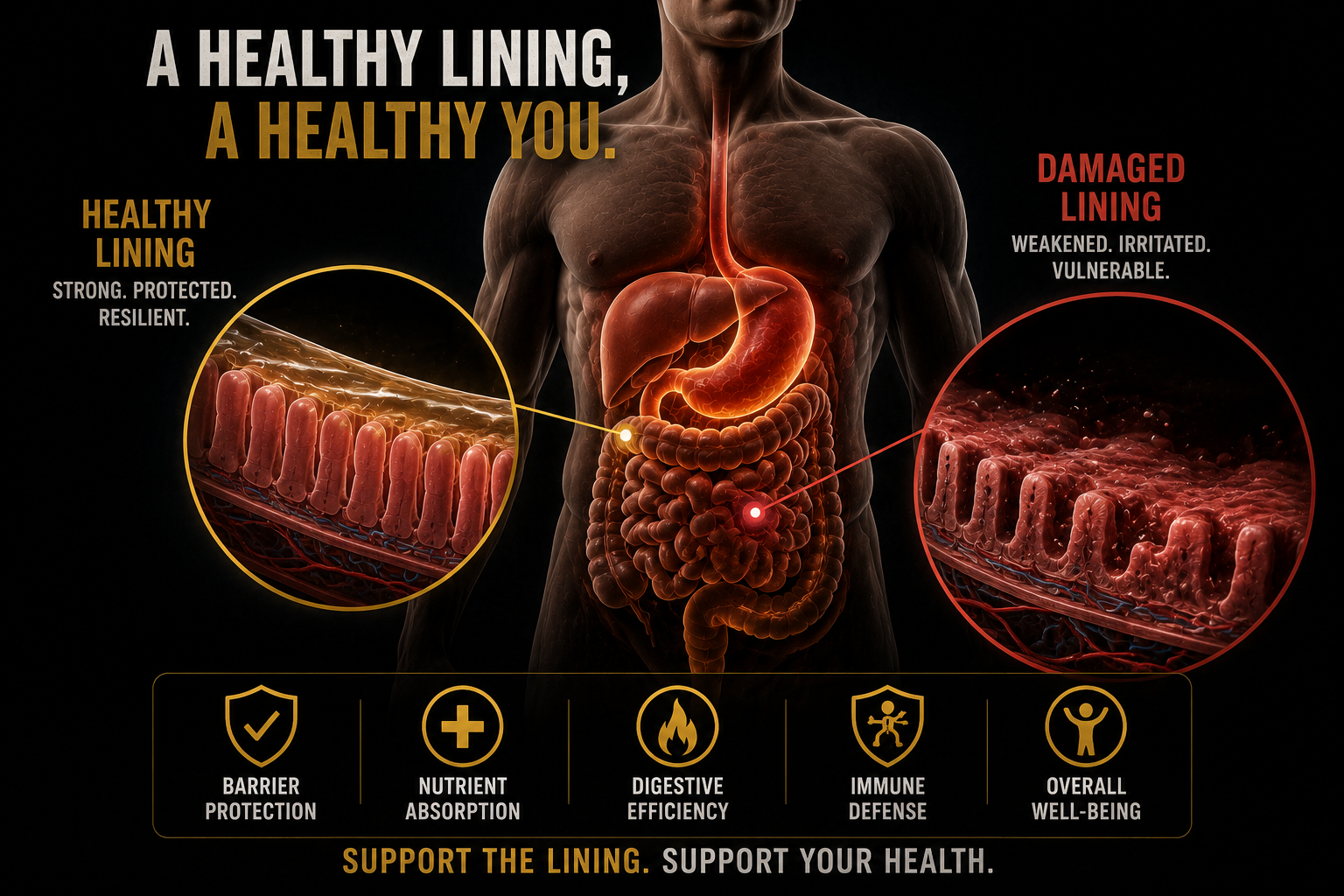
Your stomach is designed to contain a powerful acidic environment.
But that only works because your body also produces a protective mucosal barrier.
This mucosal membrane helps protect the stomach tissue from acid, enzymes, and irritation.
When that lining is healthy, the stomach can do its acidic work without causing a problem.
When that lining is compromised, people may feel burning, irritation, sensitivity, or discomfort from foods and supplements that would otherwise be helpful.
This is why digestive support should not just be about increasing acid.
It should also be about supporting the lining.
Acid and protection work together.
Fire and containment.
Digestive strength and digestive resilience.
you can learn more about the importance of this digestive lining in this article.
Why Someone Might Supplement to Support Stomach Acid
When stomach acid is insufficient, supplementation may help support the normal digestive environment.
The goal is not to create discomfort.
The goal is to restore digestive function.
Stomach acid support may help:
Improve digestion
Support the stomach’s defense against harmful pathogens
Activate protein-digesting enzymes
Break down protein into absorbable amino acids
Support nutrient availability from food
A common digestive support strategy combines hydrochloric acid with pepsin.
Hydrochloric acid supports the acidic environment.
Pepsin supports protein breakdown.
Glutamic acid may also be included as part of a stomach acid and protein digestion support formula.
Together, these ingredients are used to support the stomach’s natural role in protein digestion.
But What If You Have Acid Reflux or a Sensitive Stomach?
This is important.
If someone has burning, irritation, reflux symptoms, or sensitivity to acidic foods and spicy foods, I do not want to simply push more acid into an irritated system.
That is not the move.
In that case, the mucosal lining may need support first.
This is where demulcent and mucosa-supportive herbs can be helpful.
Ingredients like marshmallow root extract, slippery elm, and licorice extract have traditionally been used to soothe and support mucous membranes.
These herbs are not doing the same job as hydrochloric acid.
They are supporting the protective side of digestion.
Think of it this way:
Hydrochloric acid helps the stomach do its work.
Mucosal support helps the stomach tolerate the work.
Both matter.
Where Glow🌿Soothe Comes In
If the stomach or esophagus feels sensitive, I think about mucosal support.
That is where Glow🌿Soothe comes in.
Glow🌿Soothe contains mucosa-supportive ingredients like marshmallow root extract, slippery elm, and licorice extract.
These ingredients help support the protective lining that allows the stomach to do its acidic work comfortably.
If someone has trouble with protein, acidic foods, spicy foods, or acid-supportive supplements, they may need to build up the mucosal membrane and gut lining first.
In that case, Glow🌿Soothe may be the better starting point.
Protein🧪Ignite can often be introduced more comfortably with Glow🌿Soothe.
Where Protein🧪Ignite Comes In
This is why Protein🧪Ignite is one of my favorite and most used supplements.
Protein🧪Ignite contains hydrochloric acid, pepsin, and glutamic acid to support stomach acidity and protein digestion.
It is designed to help restore the digestive fire that many people are missing.
Protein🧪Ignite is especially useful when the goal is to support:
Protein digestion
Amino acid availability
Digestive enzyme activation
Nutrient breakdown
Post-meal digestive efficiency
For people who tolerate it well, Protein🧪Ignite can be a powerful tool.
But I still believe in starting intelligently.
More is not always better.
The right amount is the amount that helps you digest your meal without creating discomfort.
🧪 How Protein🧪Ignite Works
Protein🧪Ignite combines:
Betaine HCl – lowers gastric pH to activate enzymes and kill harmful bacteria and other pathogens
Pepsin – breaks down proteins into amino acids
L-Glutamic Acid – supports protein metabolism and immune health
Gentian Bitters – stimulates digestive secretions including HCl and pancreatic enzymes
This combination helps:
Create the optimal acidic environment
Activate enzymes like pepsin for protein digestion
Support absorption of amino acids, minerals, and other nutrients
Promote muscle growth, tissue repair, red blood cell production, and immunity
🧭 Supporting the Entire Digestive System
Optimal digestion requires:
Strong stomach acid: I recommend this.
Strong mucosal protection: I recommend this.
Efficient enzyme activity: I recommend this.
Strong fat digestion: I recommend this.
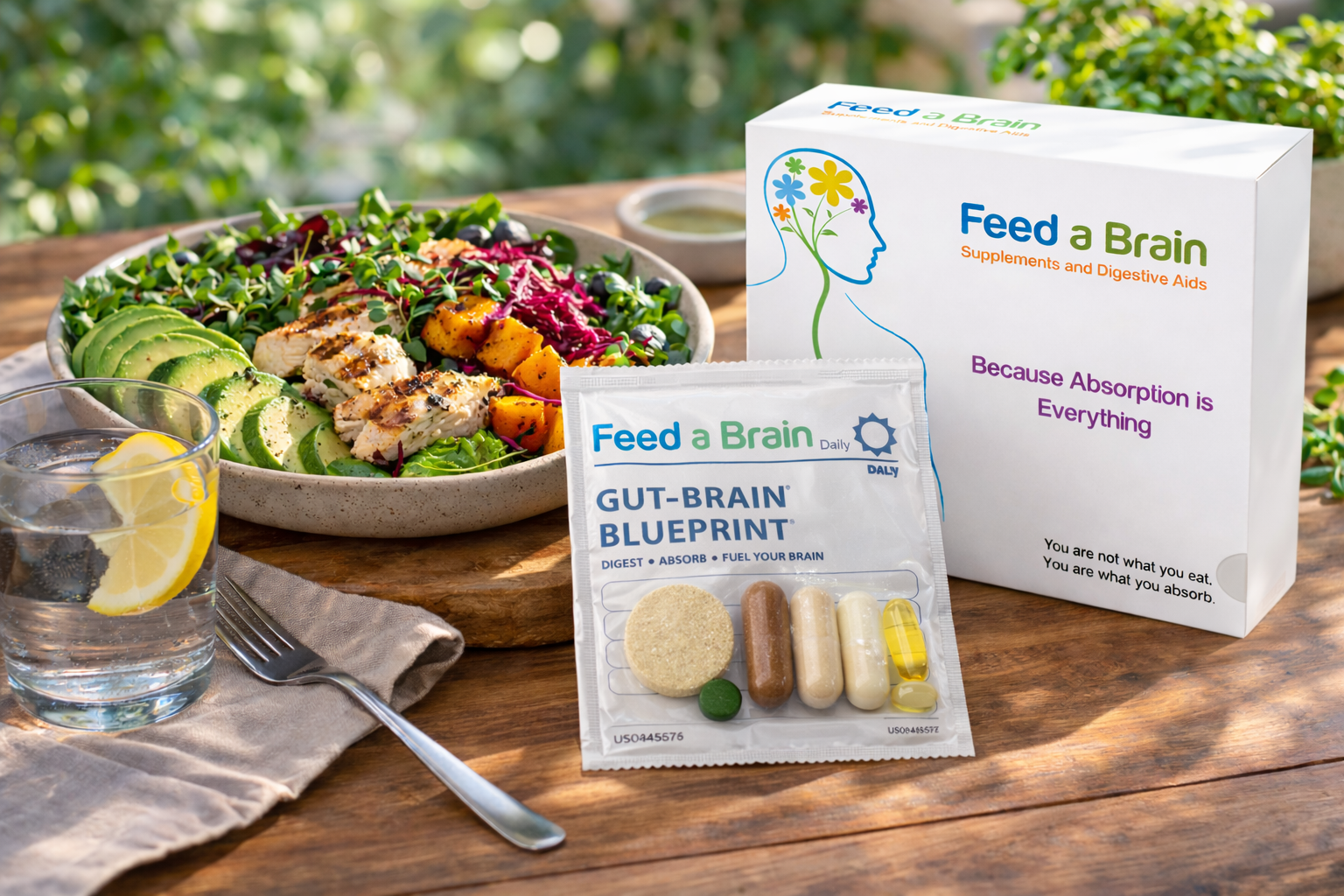
(Get all of the above in these easy meal packs)
Additional digestive support:
Balanced microbiome. I recommend this.
When these systems work together, digestion becomes efficient and sustainable.
Want Help with Dosing?
Dosing depends on the person, the meal, the amount of protein, and how sensitive the stomach lining is.
If you want to learn how I think about dosing Protein🧪Ignite and Glow🌿Soothe for optimal gut-brain function, see below.
Finding Your Digestive Sweet Spot
Start simple:
Eat a meal with protein—preferably meat or eggs
Take note of how much protein is in the meal
With that meal, take 1 capsule of Protein🧪Ignite
Then follow this process:
If no discomfort occurs, repeat with your next protein-rich meal
Next, trial 2 capsules with the same amount of protein
Still no issues? Great. Let’s find your ratio
For example:
If your first two meals each had 40g of protein and you tolerated 2 capsules without symptoms, you’re currently at 1 capsule per 20g of protein
Now try increasing that ratio gradually—test 1 capsule per 15g of protein next
You may need to increase your protein intake to make this ratio work—and that’s a good thing
If you experience discomfort:
Back off to your last known tolerable ratio (e.g., 1 per 20g)
Keep experimenting until you find what works for your digestion
(Optional: Add a list or chart of protein-rich foods with gram counts here.)
🔢 My Personal Dosage
For me—and my body—this is what works:
1 capsule per 15g of protein
I aim for 45 to 50g of protein per meal
So I take 3 capsules of Protein🧪Ignite with protein-rich meals
Why? Because this supports muscle hypertrophy, which isn’t just about biceps:
It’s about internal healing
Wound repair
Immune strength
Hormonal and neurotransmitter balance
Tissue regeneration and nutrient transport
Getting protein digestion right is everything.
📦 Final Notes
Protein🧪Ignite is a foundational digestive support that helps your body absorb the nutrients it needs.
If you’re serious about:
Building strength
Speeding recovery
Clearing brain fog
Getting the most from your meals
…then start with your stomach.
For personalized support or implementation questions, reach out.
Your stomach is your gateway. Let’s make sure it’s firing on all cylinders.
❓ Frequently Asked Questions
Q: When should I take Protein🧪Ignite?
A: Take it with, or immediately following, a protein-rich meal. Timing matters—Protein🧪Ignite works best when protein is already in the stomach and ready to be digested.
Q: Can I take Protein🧪Ignite without eating?
A: No. Do not take Protein🧪Ignite on an empty stomach. It contains hydrochloric acid and pepsin, which are intended to help break down protein from food. Without food present, these ingredients can irritate the stomach lining.
Q: What if I feel a burning sensation after taking it?
A: This likely means your mucosal lining needs support. Take 1 chewable Glow🌿Soothe with your meal. If discomfort continues, take another Glow🌿Soothe, and pause Protein🧪Ignite. Begin a protocol of 3+ Glow🌿Soothe daily for one week, then slowly reintroduce Protein🧪Ignite with meals.
Q: How do I know how much Protein🧪Ignite to take?
A: Start with 1 capsule during a protein-rich meal. If tolerated well, try 2 capsules with the same amount of protein next time. Gradually increase until you find your sweet spot—typically 1 capsule per 15–20 grams of protein. Don’t exceed 1 capsule per 10g of protein unless advised by a practitioner.
Q: Can I use this long term?
A: Absolutely. Many people experience ongoing benefits from supporting digestion this way. In fact, because stomach acid naturally declines with age, Protein🧪Ignite is a very important longevity hack.
Q: Is this the same as digestive enzymes?
A: No. Digestive enzymes (like those in Blaze🔥Digest) primarily support the intestinal phase of digestion. Protein🧪Ignite supports the gastric phase—where protein digestion begins in the stomach through acid and pepsin.
Q: Can I take this with Blaze🔥Digest or Glow🌿Soothe?
A: Yes. Many clients stack Protein🧪Ignite with Blaze🔥Digest (for complete macronutrient digestion) and Glow🌿Soothe (for gut lining repair). These work synergistically to support full-spectrum digestion and absorption.