
How to Feed a Brain: The Ins and Outs of Brain Nutrition
How to Feed a Brain: The Ins and Outs of Brain Nutrition
What we feed our brain matters — more than most people realize.
The brain is not separate from the body. It is deeply connected with digestion, blood sugar regulation, inflammation, hydration, oxygen delivery, hormones, immune activity, and nutrient status. What we eat affects all of it.
Feeding the brain is about creating the internal environment that supports neuroplasticity, resilience, repair, and communication throughout the nervous system.
Whether you are dealing with:
Brain fog or fatigue
Anxiety or mood instability
Attention issues
Neurological injury or cognitive decline
Chronic inflammation
Digestive dysfunction
…or simply wanting better cognitive performance — the foundations of brain nutrition are remarkably similar.
The goal is not perfection. The goal is creating conditions that better support your nervous system.
Why the Brain Is So Metabolically Demanding
The brain is extraordinarily adaptive — but also extraordinarily demanding.
Although the brain makes up only a small percentage of your body weight, it consumes a massive share of your energy, oxygen, nutrients, fats, amino acids, and minerals. It is constantly rebuilding, adapting, repairing, communicating, and reorganizing itself.
If digestion is impaired, blood sugar is unstable, inflammation is elevated, or nutrient density is poor, the nervous system often pays the price. That is why feeding the brain well matters so much.
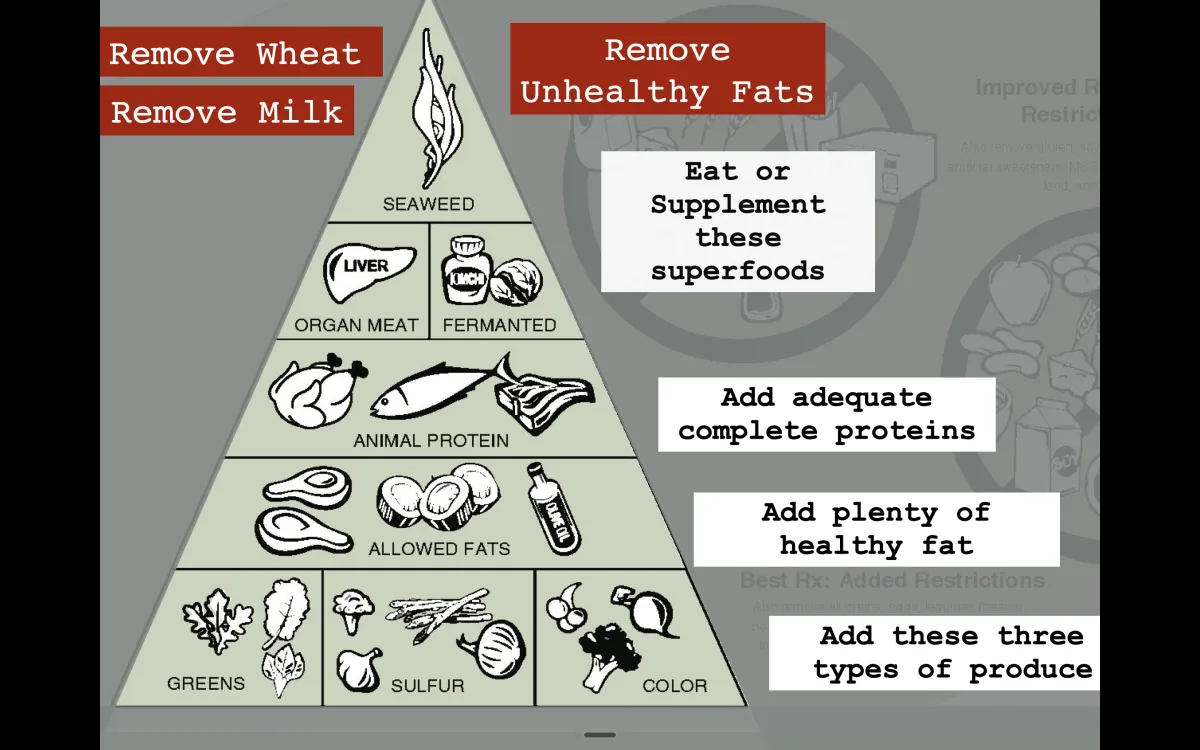
The Feed a Brain Food Pyramid
1. Produce: The Foundation of Brain Nutrition

The foundation of the pyramid is produce. A simple framework is dividing intake fairly evenly across three categories:
Leafy Greens
Spinach
Kale
Arugula
Romaine
Mixed greens
Colorful Produce
Berries
Carrots
Beets
Purple cabbage
Peppers
Sulfur-Rich Vegetables
Broccoli
Cauliflower
Brussels sprouts
Garlic
Onions
These foods provide antioxidants, minerals, fiber, phytonutrients, and compounds that support detoxification and nervous system health. Most people dramatically under-consume them.
2. High-Quality Fats

Healthy fats are essential for cell membranes, hormone production, neural signaling, myelin integrity, energy stability, and satiety.
Prioritize:
Tallow
Ghee
Butter (if well tolerated)
Coconut oil
Avocado oil
Extra virgin olive oil
Fatty fish
Many people under-consume quality fats while simultaneously over-consuming unstable industrial oils — a major problem for brain health.
Avoid industrial seed oils:
Soybean oil
Canola oil
Corn oil
Cottonseed oil
Grapeseed oil
Sunflower, safflower, and wheat germ oils
These oils are highly processed, unstable, prone to oxidation, and contribute to inflammation and poor cellular signaling throughout the body.
3. Adequate Protein

Protein provides amino acids used to build neurotransmitters, enzymes, immune compounds, muscles, structural tissues, detoxification pathways, and cellular membranes.
Quality sources include:
Eggs
Grass-fed beef, buffalo, and lamb
Wild-caught fish
Pasture-raised poultry
Organ meats
Collagen-rich meats
One important nuance: we often do not crave what our body is incapable of digesting. If someone does not crave protein, it may signal that digestion is impaired — especially stomach acid production. When digestion improves, people often naturally crave more protein because the body can finally use it effectively.
Protein is arguably the most important macronutrient for longevity, repair, structure, neurotransmitter production, and resilience.
Following a plant-based diet? See: How to Feed a Brain on a Vegan Diet
4. Superfoods for the Brain

Three categories of food are among the most powerful — and most underused — for brain health:
Organ Meats
Among the most nutrient-dense foods on Earth. They provide B vitamins, iron, vitamin A, choline, trace minerals, and amino acids. Even small amounts can make a meaningful difference.
Fermented Foods
Sauerkraut, kimchi, kefir, and fermented vegetables support microbiome diversity, digestion, and immune signaling.
Sea Vegetables
One of the most overlooked superfoods. Sea vegetables provide iodine, trace minerals, and unique phytonutrients. Many people are deficient in these compounds because sea vegetables are rarely consumed regularly.
How many people are eating organ meats, fermented foods, and sea vegetables on a regular basis? Very few. This is one of the biggest nutritional gaps in modern diets.
5. Hydration

Hydration affects cognition, circulation, energy production, detoxification, nervous system regulation, mood, and recovery.
A simple baseline formula:
Minimum daily water intake (oz) = body weight (lbs) × 0.6
Electrolytes also matter — especially during stress, exercise, heat exposure, low-carb transitions, fasting, and neurological recovery.
Bonus: Synaptogenic Nutrients for Brain Plasticity
Synaptogenesis refers to the formation and strengthening of synaptic connections between neurons — how the brain adapts, learns, repairs, and rewires. Three nutrients are especially important for this process:
Choline
Choline supports acetylcholine production, memory, focus, nervous system signaling, and cell membrane integrity. Rich food sources include egg yolks, liver, and organ meats.
DHA

DHA is one of the primary structural fats in the brain. It supports membrane fluidity, signaling, neuroplasticity, repair, and cognitive function. Cold water fatty fish — sardines, salmon, anchovies, mackerel — are among the best food sources.
It is worth noting that essentially all prenatal developmental formulas include DHA because it is so critical for the development of the human brain. And the brain is either developing or degenerating. Let's support development.
Uridine
Less commonly discussed but incredibly important, uridine is involved in phospholipid synthesis, neuronal communication, synaptic formation, and DNA repair. When combined with DHA and choline, uridine has been shown to support synapse formation and cognitive resilience — a powerful trio for synaptogenesis.
What to Reduce for Better Brain Function
Ultra-Processed Foods
Ultra-processed foods contribute to unstable blood sugar, inflammation, poor satiety, low nutrient density, and metabolic dysfunction. The issue is not just calories — it is signaling. Food communicates information to the body. Processed foods communicate chaos and inflammation.
Refined Sugar and Corn Syrup
Large swings in blood sugar affect mood, energy, cognition, cravings, inflammation, and metabolic flexibility. Reducing refined sugar is one of the highest-leverage dietary changes you can make — but calories removed from sugar should generally be replaced with protein and healthy fats.
Refined Grains and Flours
Refined grains rapidly spike blood sugar and create instability in energy, mood, cognition, and appetite regulation. Before industrial processing, refining grains at scale was incredibly difficult. Now machines do it instantly. Even oatmeal can be problematic for many people, especially during neurological recovery or metabolic dysfunction.
What to Remove for at Least 60 Days
Artificial Sweeteners and MSG
Many artificial sweeteners negatively affect the microbiome, excitatory signaling, and may contribute to dysbiosis. For sensitive individuals, these compounds may worsen brain fog, balance issues, headaches, coordination problems, and neurological irritation.
Wheat and Gluten
Temporarily removing wheat and gluten is one of the most impactful steps many people can take for brain and digestive health. People commonly notice improvements in digestion, inflammation, immunity, mood, cognition, energy, and neurological symptoms — and for many, the improvement is dramatic.
Dairy Products
While some people tolerate dairy well, most benefit from reducing or removing it temporarily — especially alongside wheat. Removing dairy for 60 days often improves congestion, inflammation, digestion, skin issues, body composition, and neurological symptoms.
Leafy greens provide abundant calcium along with many other nutrients, making them an excellent alternative source of minerals. If dairy is later reintroduced, many people tolerate it far better when digestion is well supported.
Artificial Trans Fats
Completely eliminate hydrogenated oils, partially hydrogenated oils, margarine, Crisco, and processed pastries containing these fats. They are strongly associated with inflammation, oxidative stress, and vascular dysfunction — with no health benefit whatsoever.
The Gut-Brain Connection
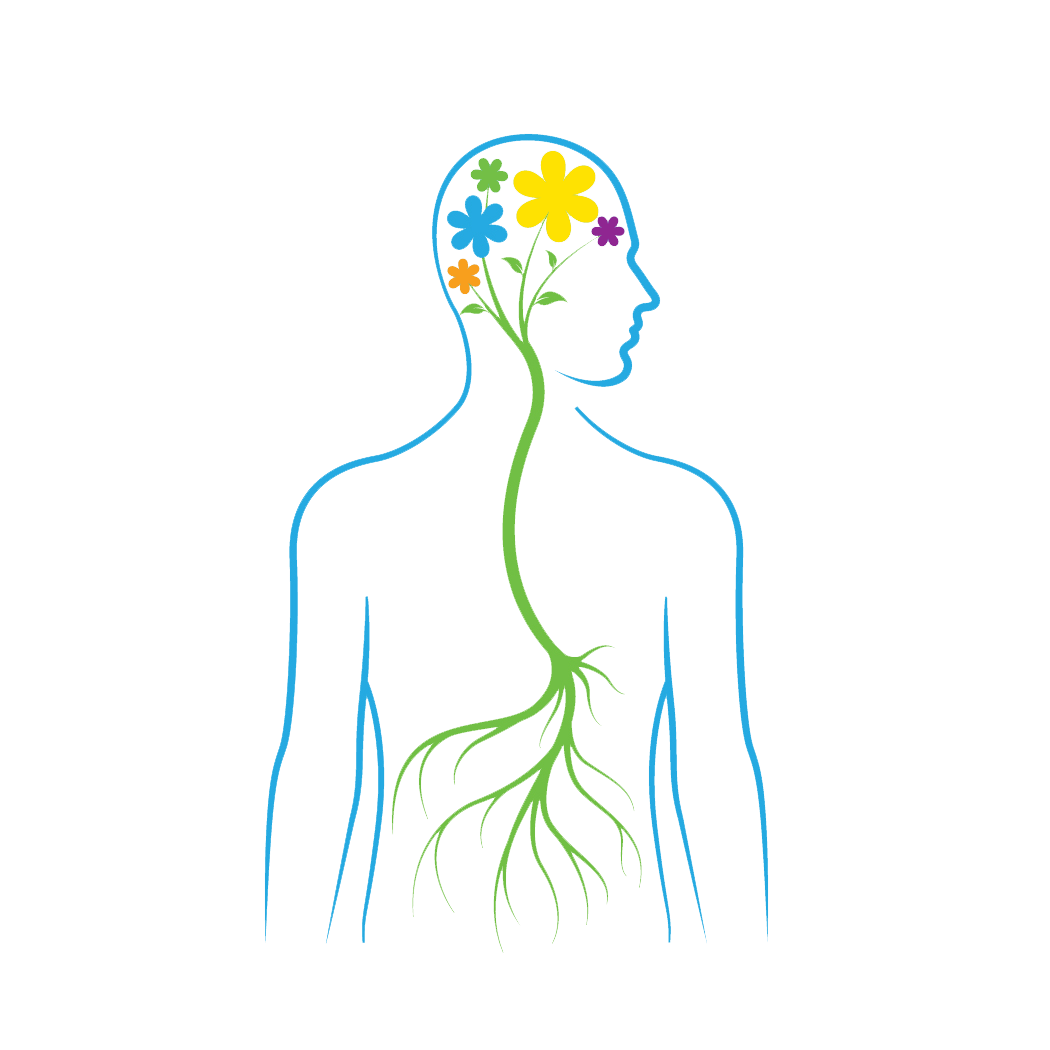
The digestive system and nervous system are deeply interconnected. Digestion influences nutrient absorption, neurotransmitter production, immune signaling, inflammation, mood, and cognition. The gut contains its own massive network of neurons — the enteric nervous system.
When digestion breaks down, inflammation rises, nutrient absorption decreases, immune activation increases, and brain function often suffers. This becomes a vicious cycle:
The brain affects digestion
Digestive dysfunction increases inflammation
Inflammation further affects the brain
Supporting digestion is one of the most overlooked parts of supporting cognition and neurological recovery. This is exactly why the Feed a Brain Gut-Brain Blueprint exists — to help support digestion, nutrient absorption, metabolism, and neurological resilience.
Learn more about the Gut-Brain Blueprint here.
Start Feeding Your Brain Today
Eating for brain health can be simple.
The brain responds to the internal environment we create. Food is one of the most powerful environmental inputs we have — and we have far more influence over our neurological environment than most people realize.
Let's feed the brain intelligently.